Architecture · Manhattan
Tweed Courthouse
Graves Beneath Justice
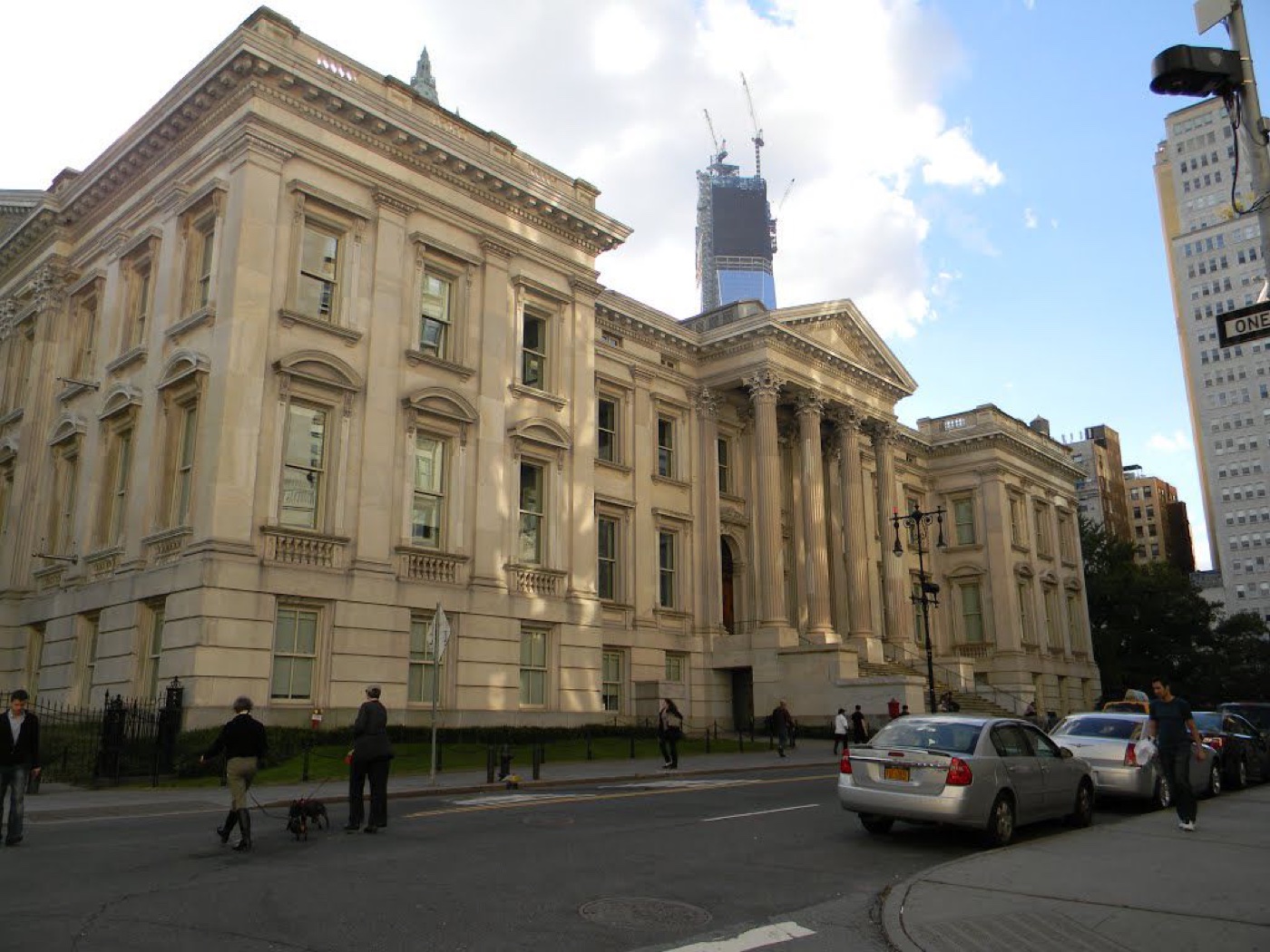
Why are eight American colonial graves still under a courthouse named after a corrupt political boss?
The story
William M. "Boss" Tweed—the corrupt leader of Tammany Hall, a political machine that controlled the New York state and city governments when the courthouse was built—oversaw the building's erection. Construction was interrupted in 1871 when Kellum died and the corruption involved in the building's construction was exposed to the public. Leopold Eidlitz, who was hired to finish the courthouse in 1876, added the building's south wing and domed rotunda in a similar design to the New York State Capitol. Eight graves from the American colonial era still exist beneath the courthouse. John Kellum and Thomas Little were responsible for the courthouse's initial design. The New York City Landmarks Preservation Commission (LPC) said Eidlitz's style departs from Kellum's classicism with "an American version of organic architecture expressed through medieval forms".
Source: Wikipedia — Tweed Courthouse
Find it with City Ramble →Visiting
Wikidata coordinates; public viewing point needs field review, Manhattan. City Ramble stops can be found from public sidewalks and parks; buildings, churchyards and museums keep their own opening hours. Open in Google Maps.
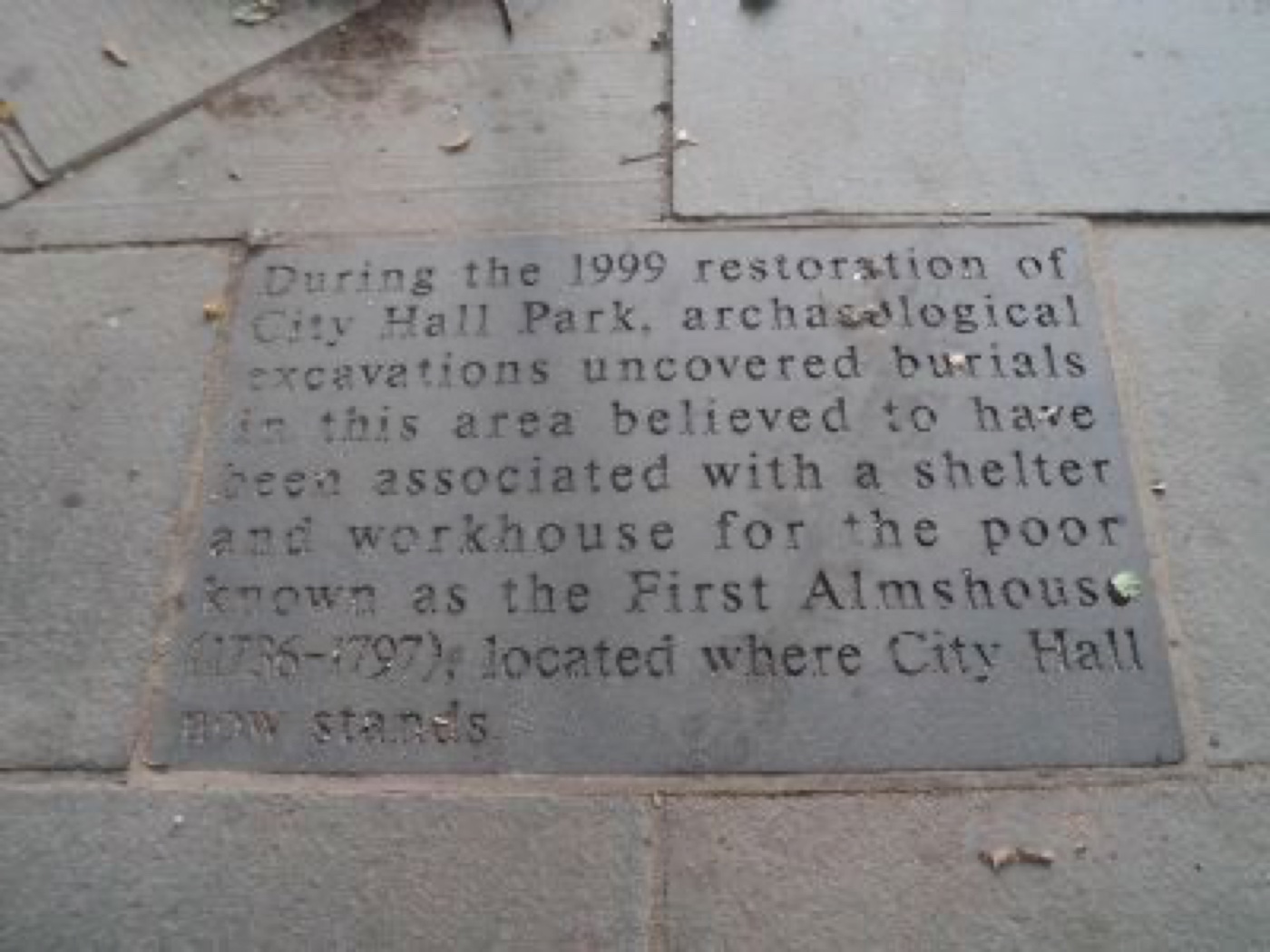 First Almshouse
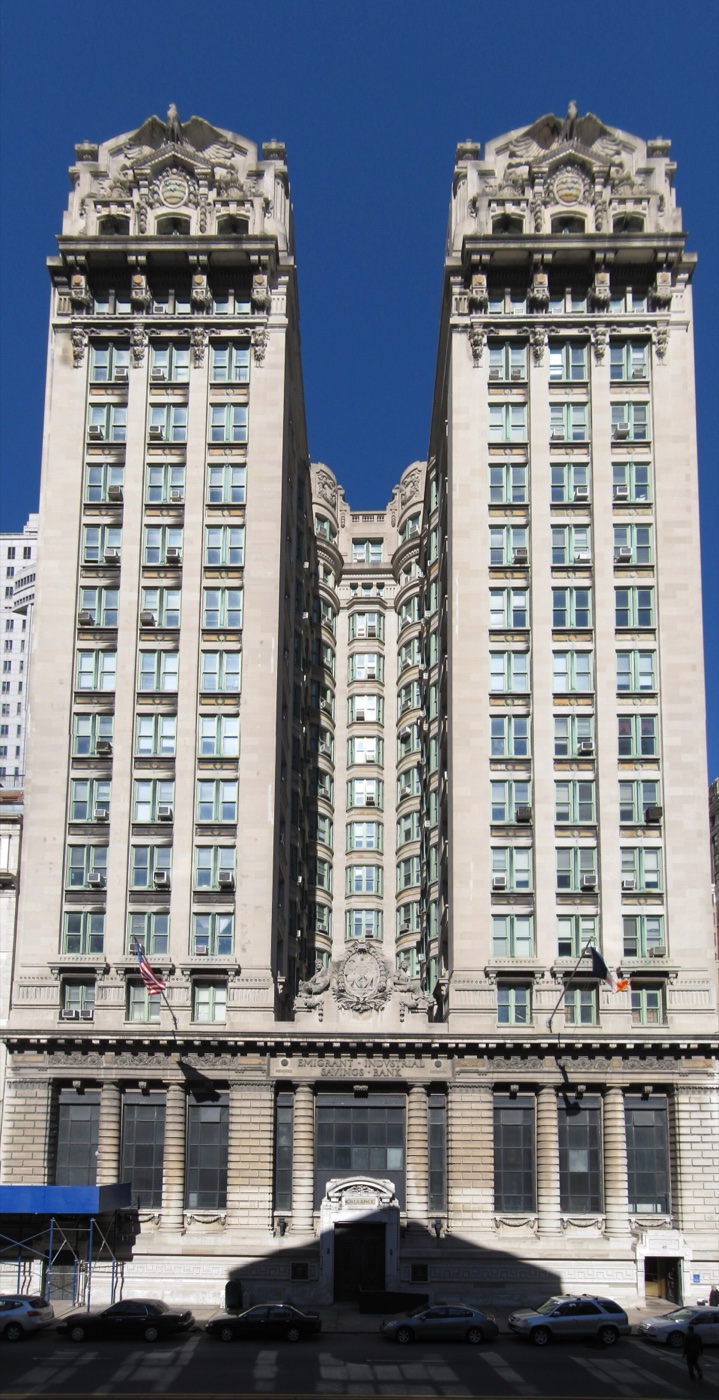 49 Chambers
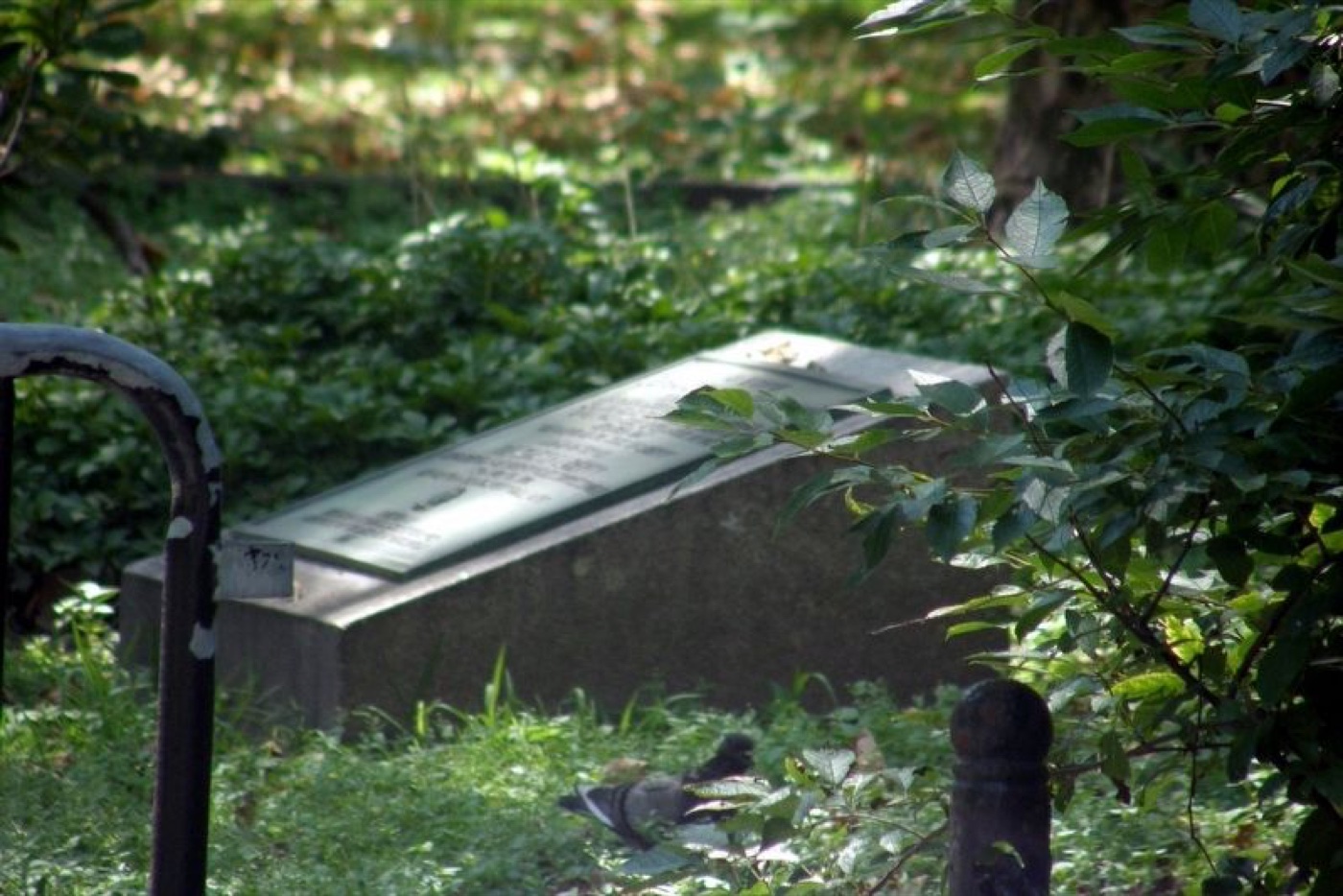 Lieutenant Colonel Isaac Barre
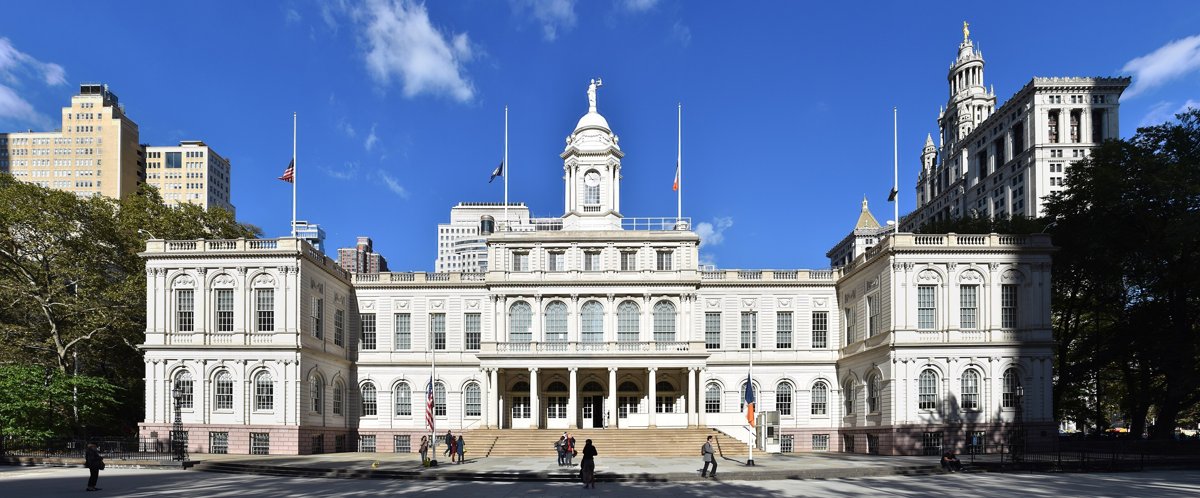 New York City Hall
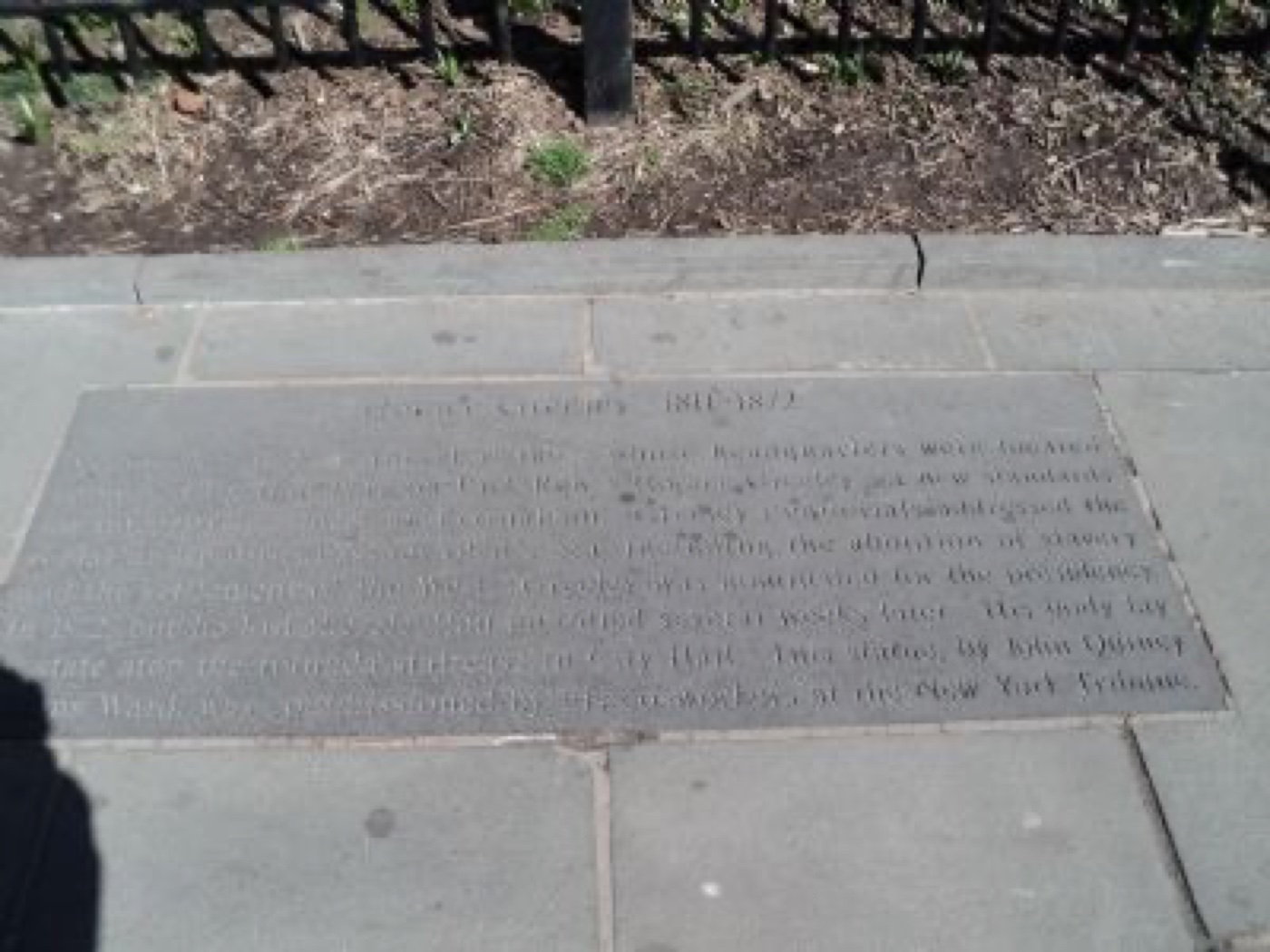 Horace Greeley
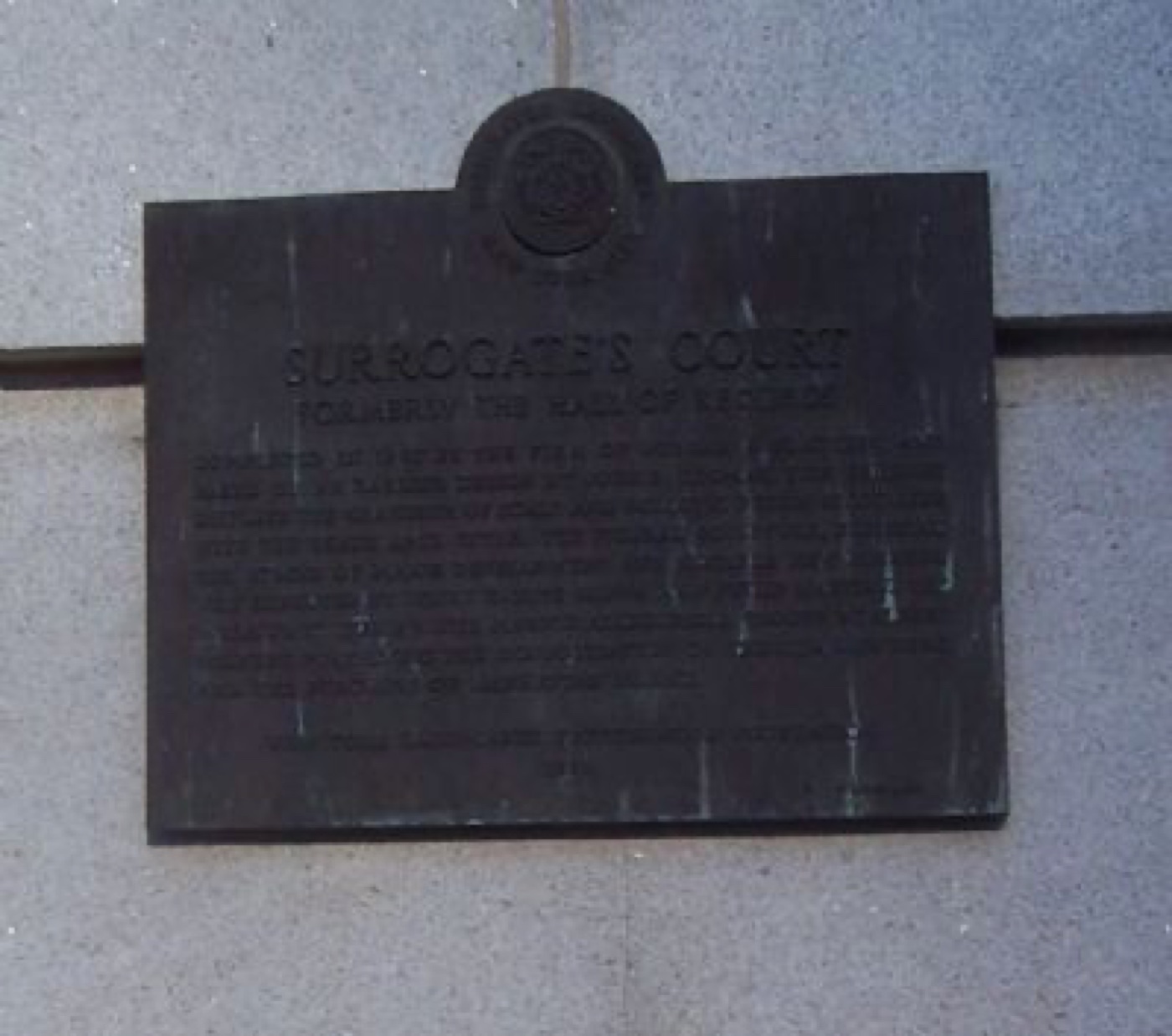 Surrogates Court