Architecture · Manhattan
Mills House No. 1
The hotel with 1,554 tiny rooms
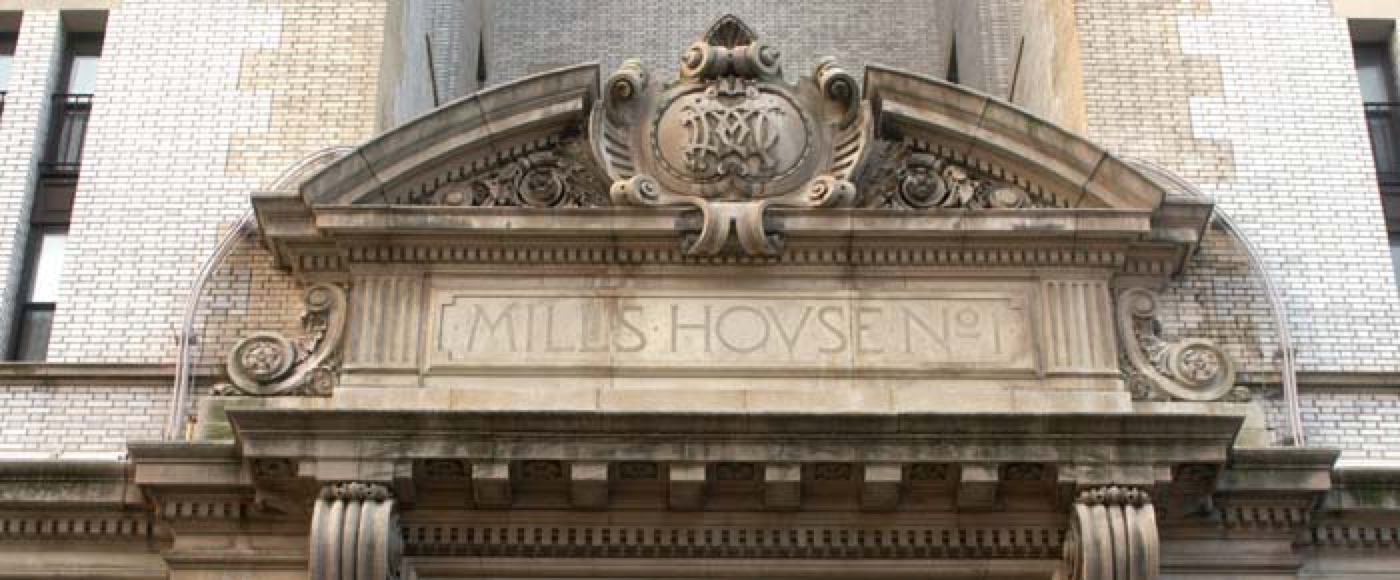
How did Mills House No. 1 fit over a thousand tiny rooms into one building with light and fresh air?
The story
Mills House No. 1 is one of two survivors of three men's hotels built by banker Darius Ogden Mills in New York City (the other being Mills House No. 3). It originally contained 1,554 tiny rooms (7 and a half by 6 feet or 5 by 8 feet) that rented at the affordable rate of 20 cents a night, with meals costing 15 cents, The rooms contained only a bed with a mattress and two pillows, one stuffed with hair, the other with feathers, a chair and a clothes rack, and their walls stopped about a foot short of the ceiling. It cost $1.25 million to build and has eleven stories; two 100-foot (30 m) air shafts or light wells, 50 feet (15 m) square, capped by skylights, enabled each room to have a window and correspond to the provisions of the 1879 Tenement House Law known as the "Old Law"; the architect, Ernest Flagg, was an advocate for housing reform who had urged these requirements. It was the prototype of the philanthropic hotel movement, although Mills emphasized that his hotels were run efficiently so as to make a modest profit for investors and "[not to offend] the pride or praiseworthy independence of those I serve." Mills House hotels were closed during the day to encourage residents to seek work. Guests could not gain entry after midnight and were required to pay in advance; they were refused entry, even if they had prepaid, if they were drunk.
Source: Wikipedia — Mills House No. 1
Find it with City Ramble →Visiting
Wikidata coordinates; public viewing point needs field review, Manhattan. City Ramble stops can be found from public sidewalks and parks; buildings, churchyards and museums keep their own opening hours. Open in Google Maps.
Nearby
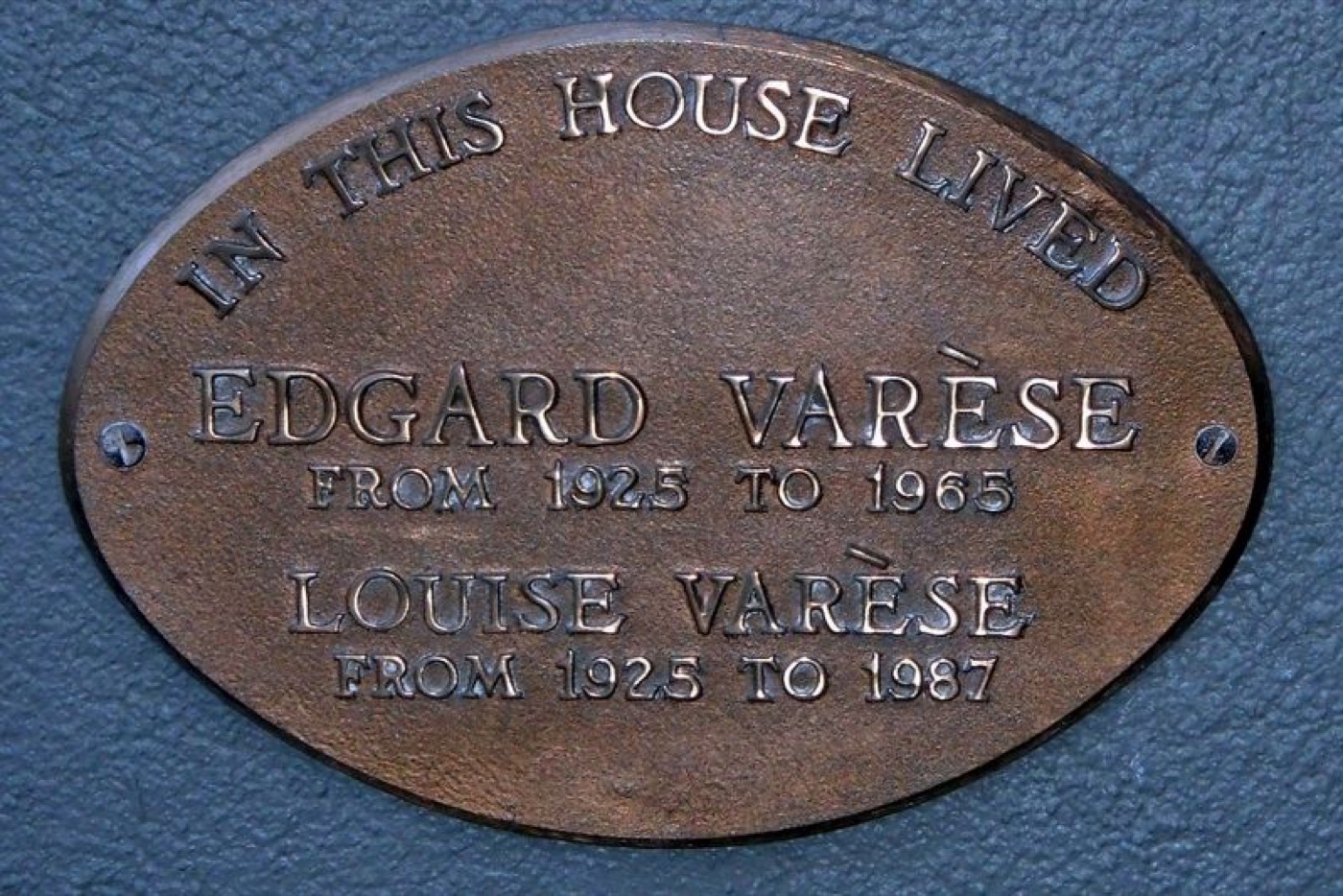 The Varèse House
Art & design · about 1 min walk
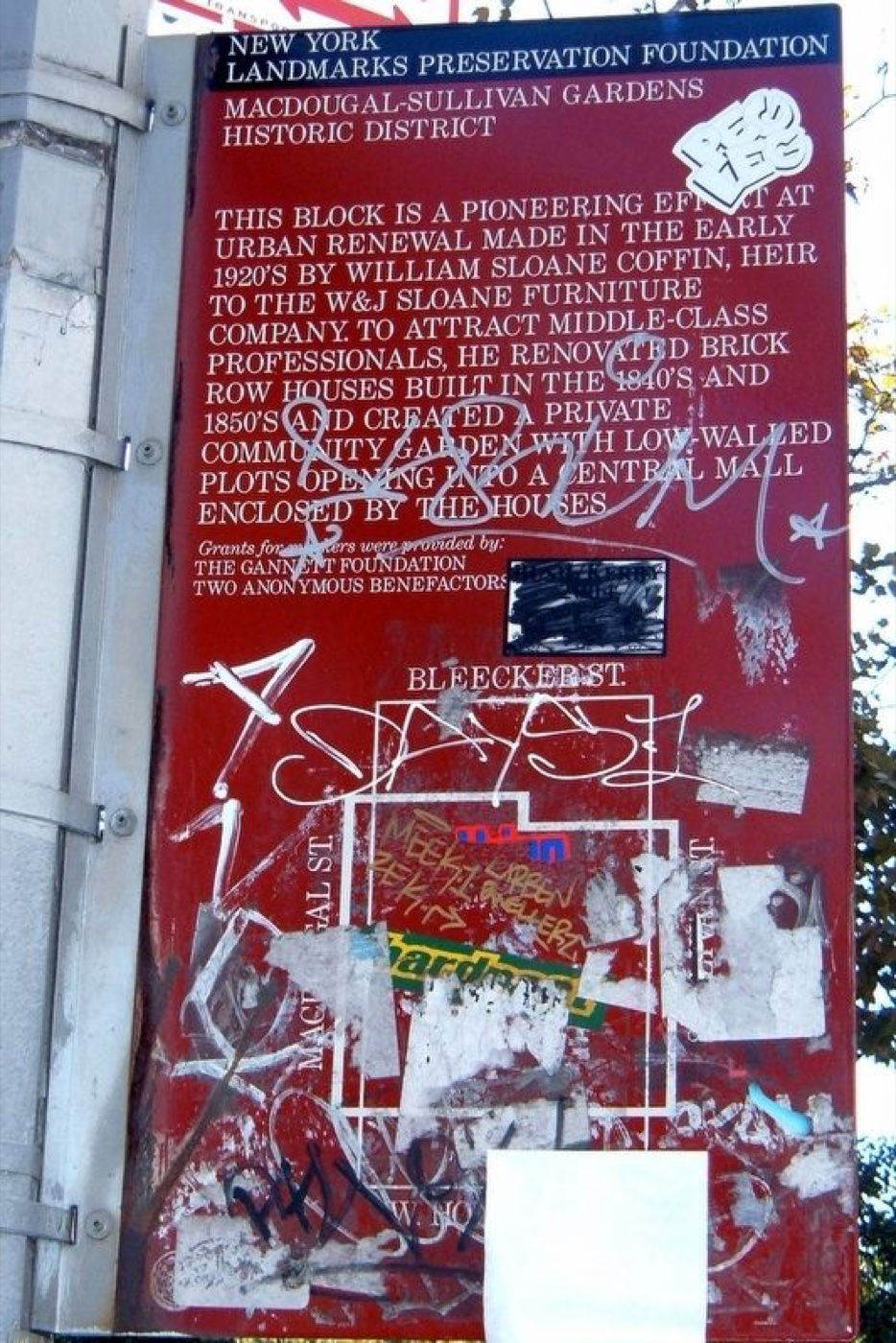 MacDougal-Sullivan Gardens Historic District
Architecture · about 2 min walk
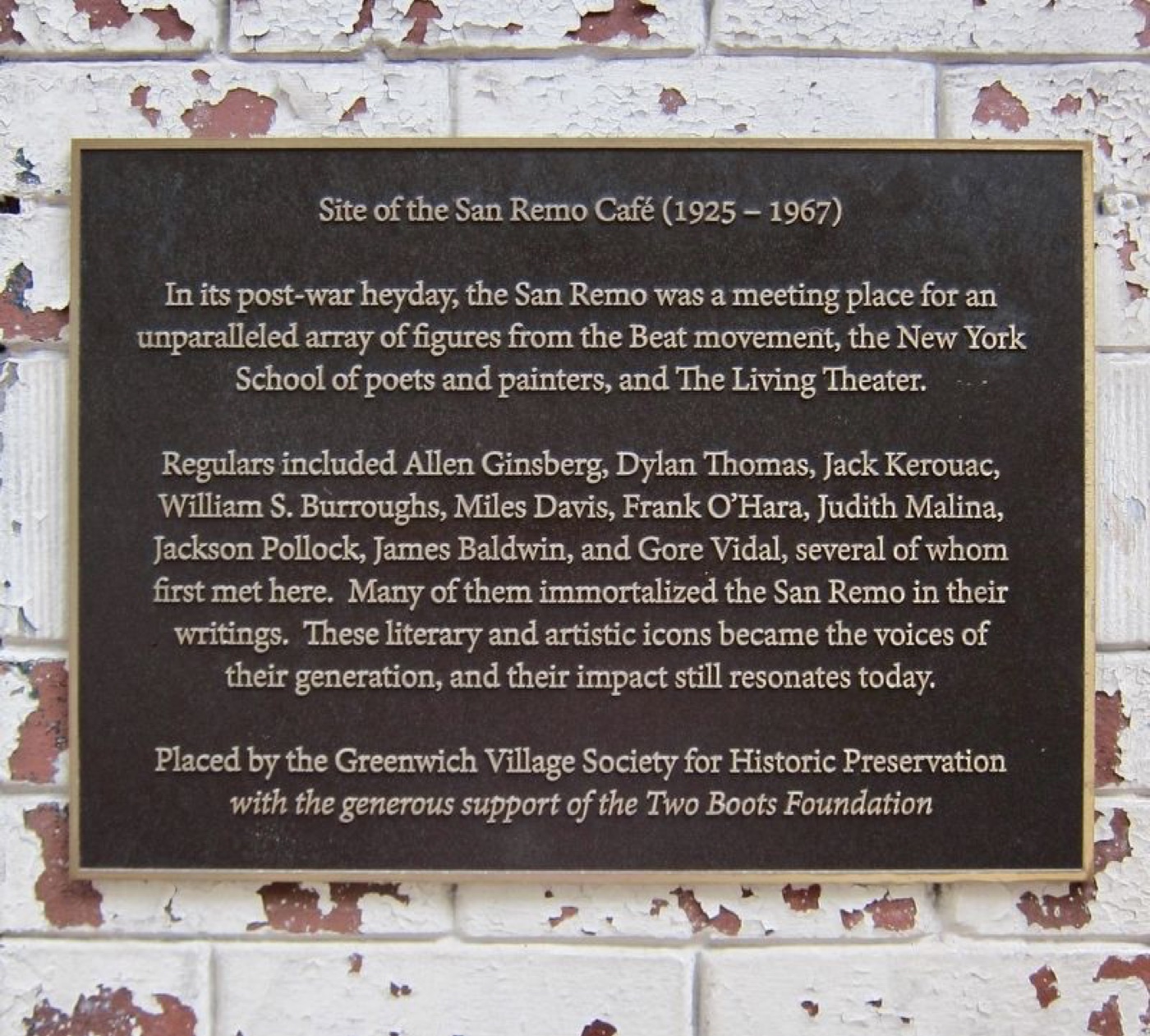 Site of the San Remo Café (1925 - 1967)
Art & design · about 2 min walk
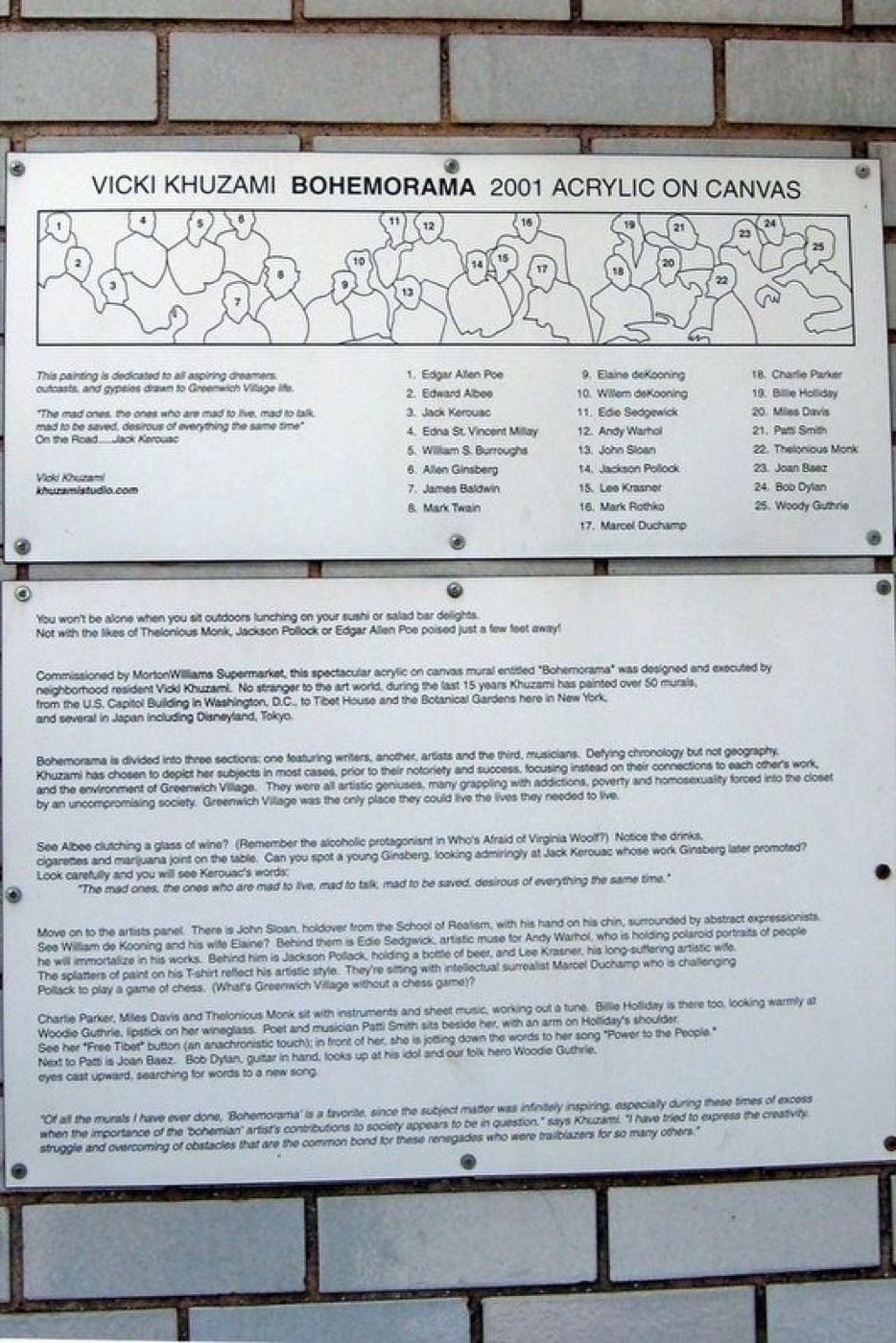 Bohemorama
Art & design · about 2 min walk
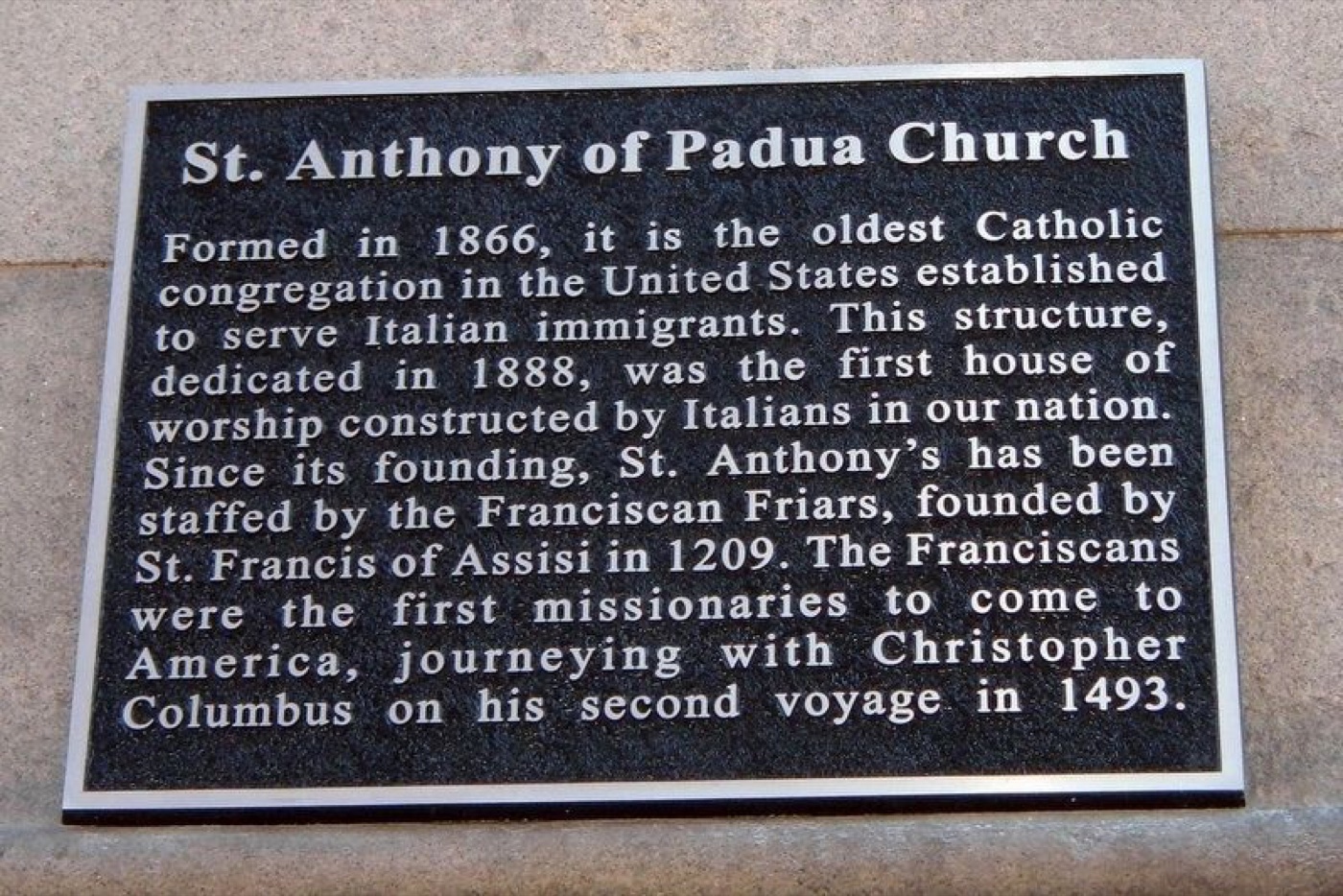 St. Anthony of Padua Church
Food & culture · about 3 min walk
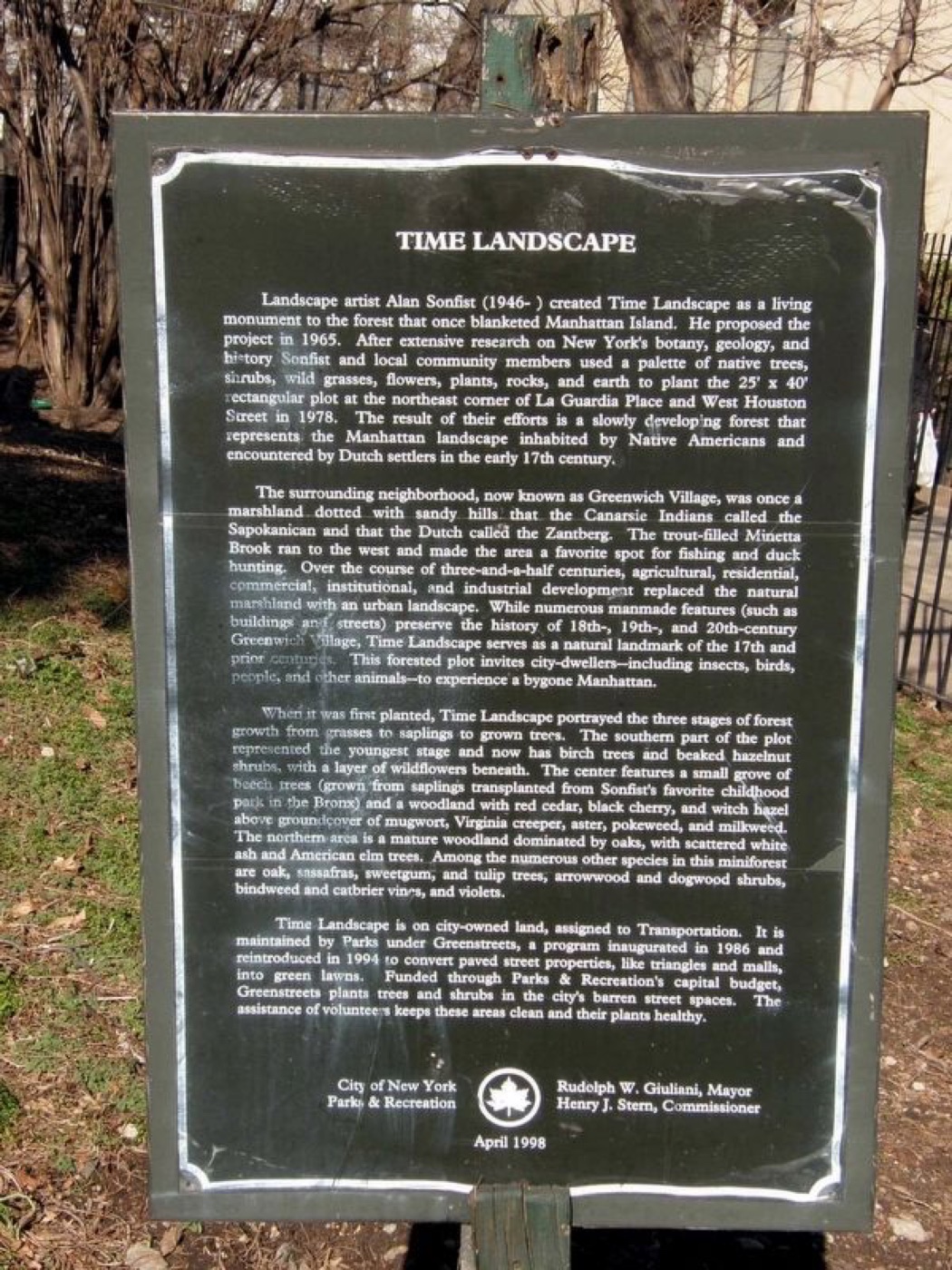 Time Landscape
Nature · about 3 min walk