Architecture · Manhattan
Civic Club / Estonian House
From Civic Reform to Estonian Heart
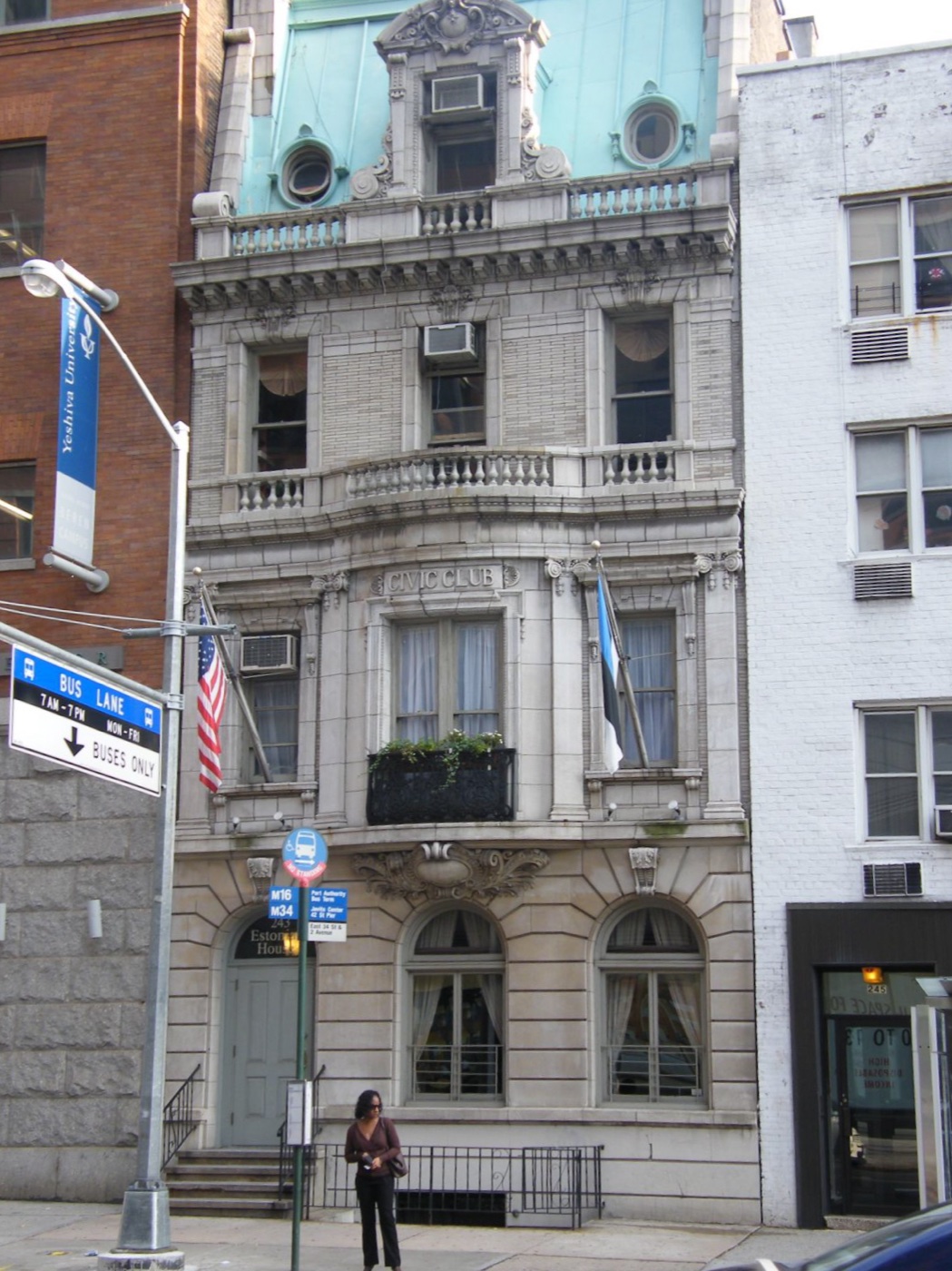
Why does an Estonian school and folk group meet in a building once meant to fight poverty and gambling?
The story
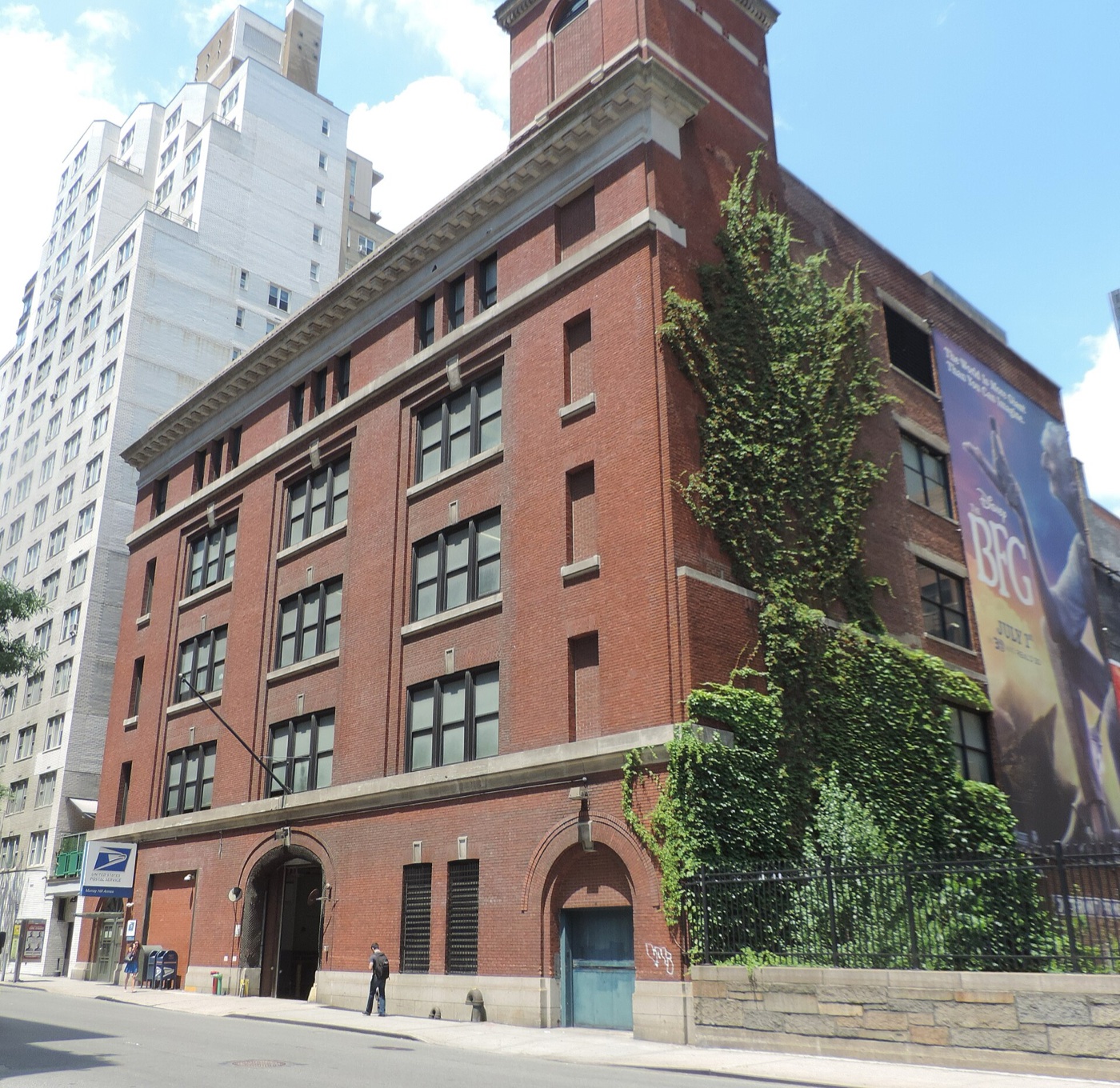
The house was originally built for the Civic Club in 1898–1899, having been designed by Brooklyn architect Thomas A. Gray. The Civic Club was founded by the local social reformer F. Norton Goddard (1861–1905) to reduce poverty and fight against gambling in the neighborhood. After Goddard's death in 1905, the club ceased to exist, but the building remained in the Goddard family until 1946, when Frederick Norton's widow sold it for $25,000 to the New York Estonian Educational Society, Inc., which still owns the house today. The building underwent a $100,000 restoration in 1992. Known as the Estonian House (Eesti Maja), the building hosts several Estonian organizations, including the New York Estonian School (New Yorgi Eesti Kool), the Foundation for Estonian Arts and Letters (Eesti Kultuurifond Ameerika Ühendriikides), men's and women's choruses, and a folk dancing group.
Source: Wikipedia — Civic Club / Estonian House
Find it with City Ramble →Visiting
Wikidata coordinates; public viewing point needs field review, Manhattan. City Ramble stops can be found from public sidewalks and parks; buildings, churchyards and museums keep their own opening hours. Open in Google Maps.
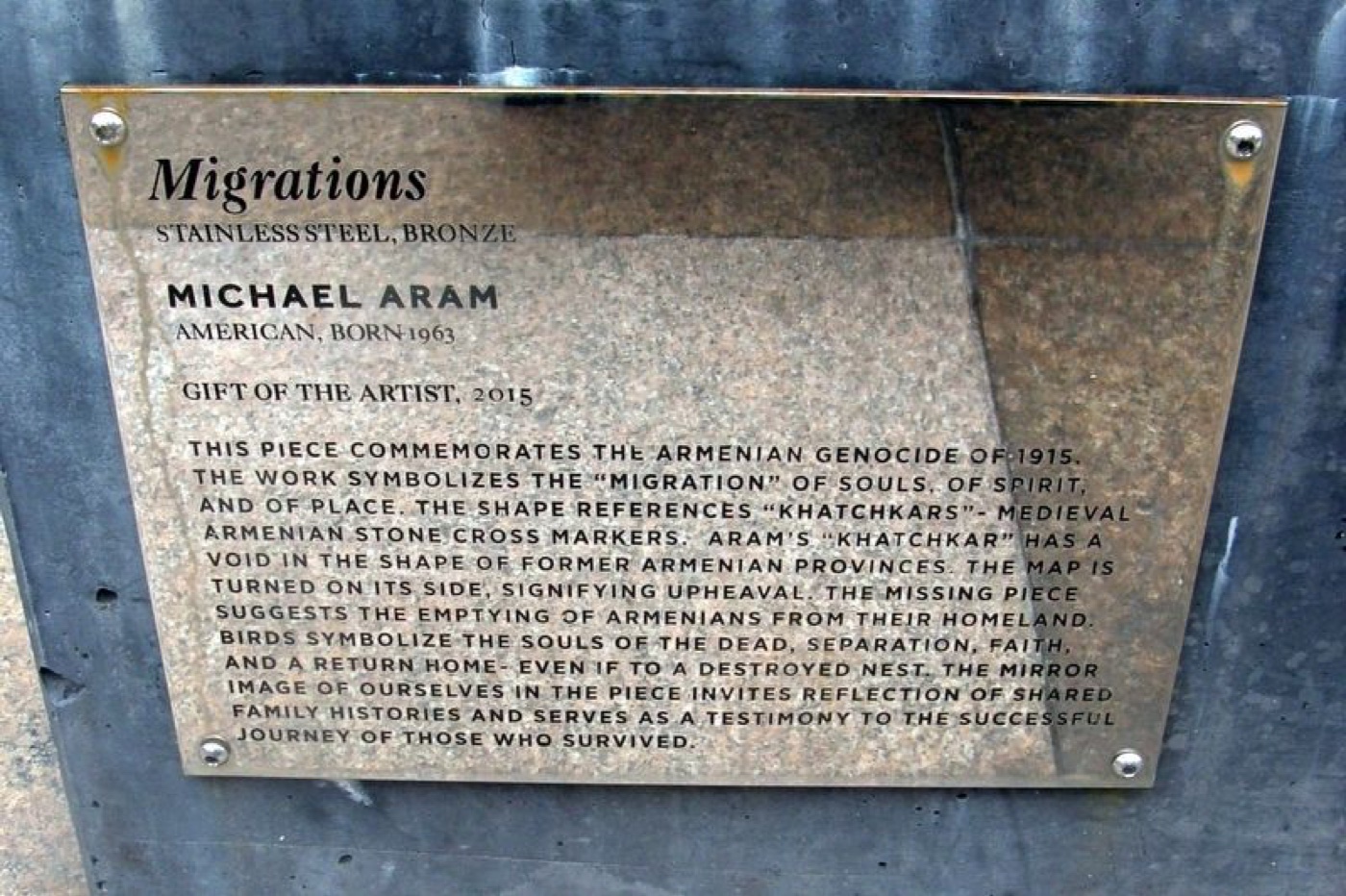 Migrations
 Father Damien
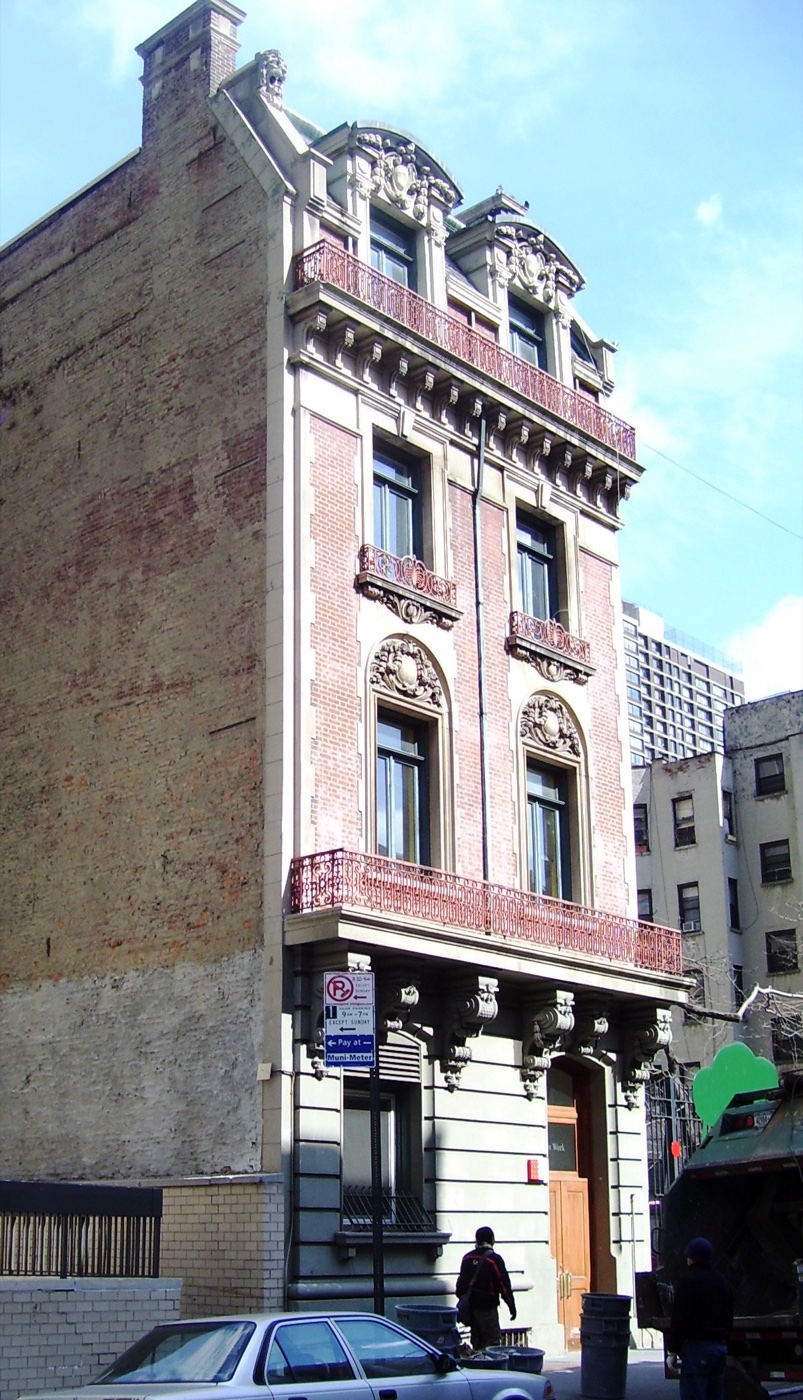 207 East 32nd Street
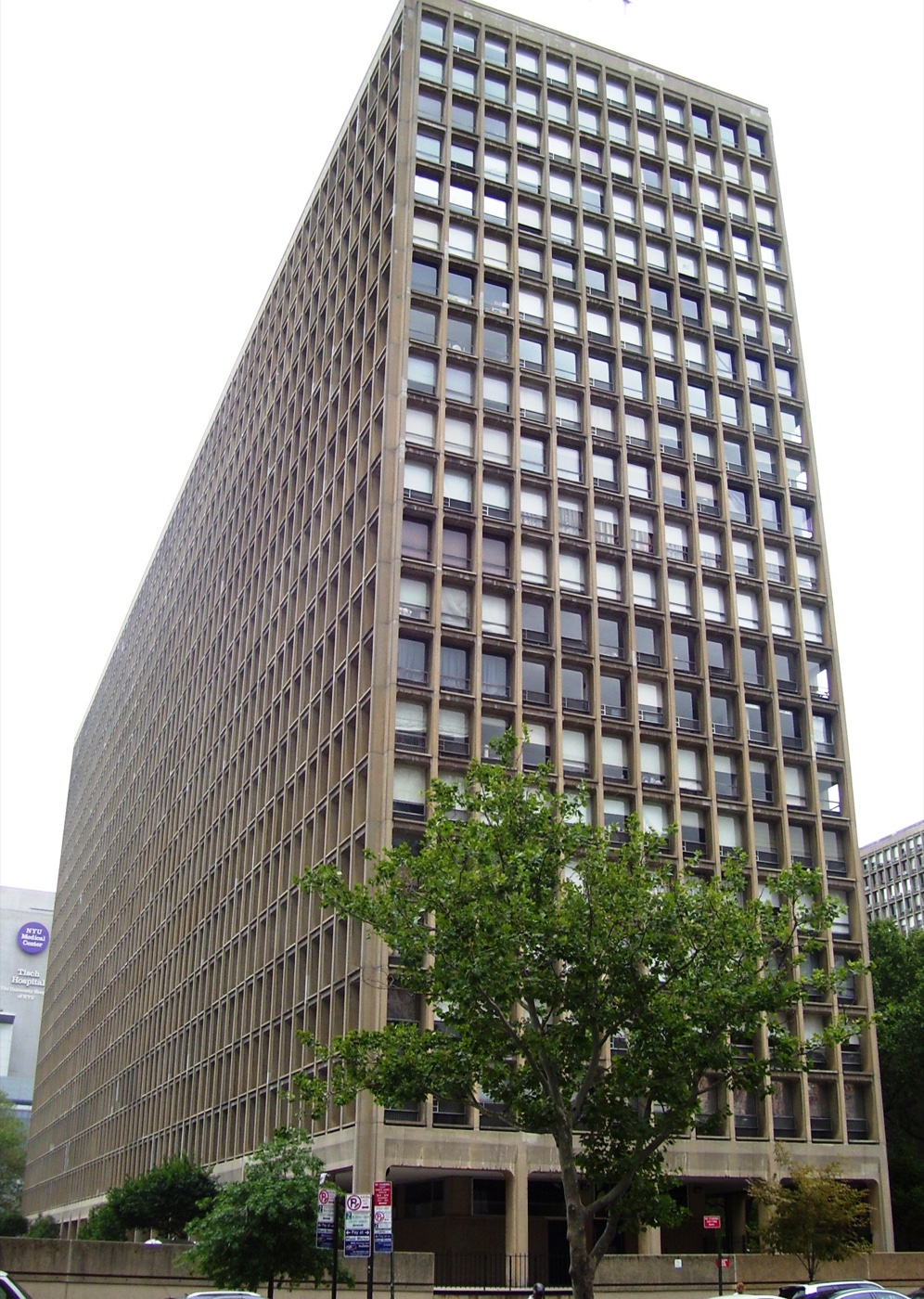 Kips Bay Towers
 207 East 36th Street
 St. Vartan’s Park