Architecture · Manhattan
George Washington Bridge
The Bridge That Defied Thickness
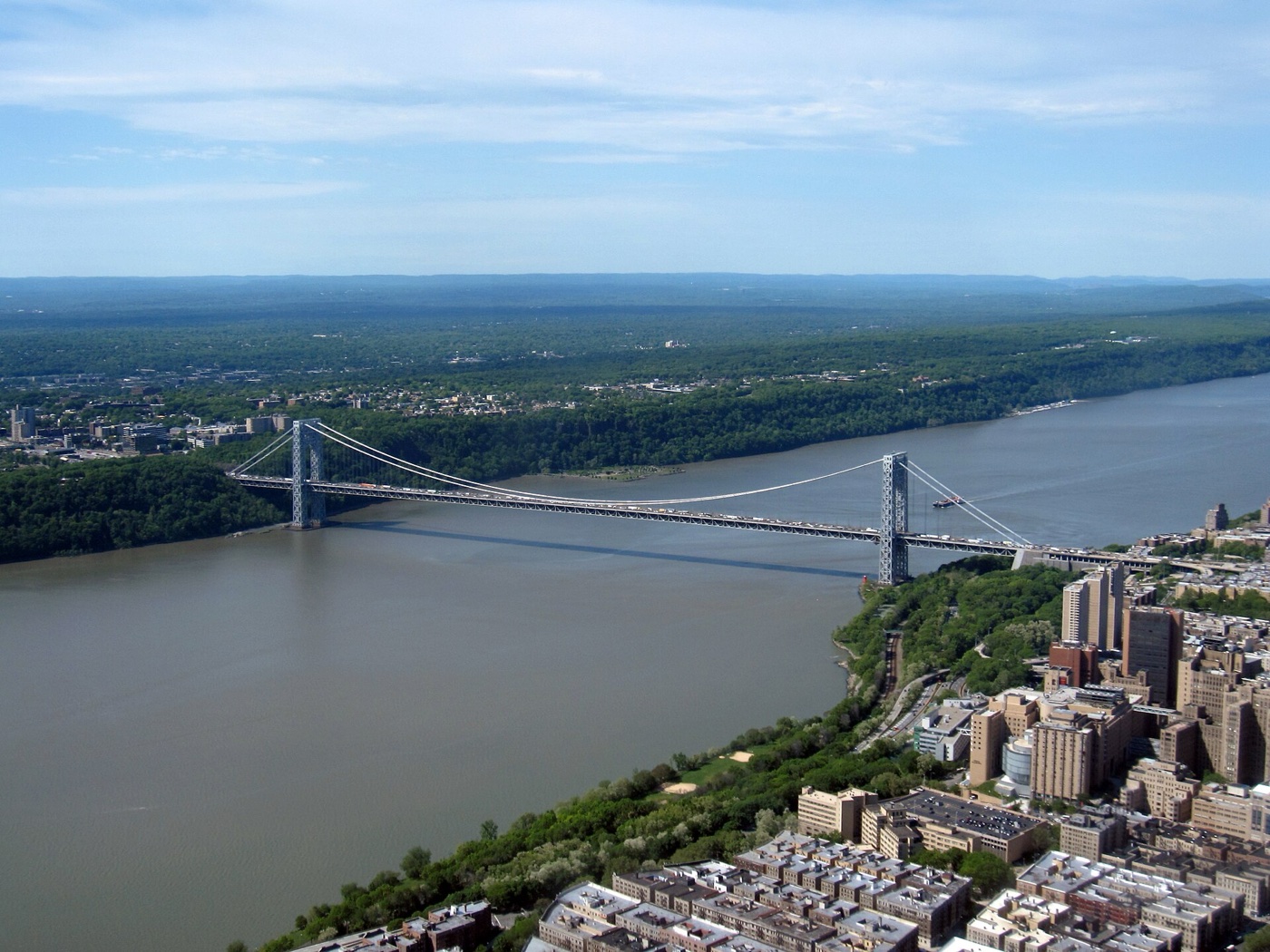
How could a suspension bridge deck be only 12 feet thick and still support heavy traffic without side stiffening trusses?
The story
When the upper deck was built, it was only 12 feet (3.7 m) thick without any stiffening trusses on the sides, resulting in a deck weighing 1,100 pounds per square foot (5,400 kg/m2) and a length-to-thickness ratio of about 350 to 1. At the time of the George Washington Bridge's opening, most long suspension spans had stiffening trusses on their sides, and spans generally had a length-to-thickness ratio of 60 to 1, which translated to a weight of 13,000 to 14,000 pounds per square foot (63,000 to 68,000 kg/m2) and a thickness equivalent to an 11-story building. Although the lower level was part of the original plans for the bridge, it did not open until August 29, 1962. The upper level originally had six lanes, though two more lanes were added in 1946. The bridge carries 14 lanes of traffic, seven in each direction.
Source: Wikipedia — George Washington Bridge
Find it with City Ramble →Visiting
Wikidata coordinates; public viewing point needs field review, Manhattan. City Ramble stops can be found from public sidewalks and parks; buildings, churchyards and museums keep their own opening hours. Open in Google Maps.
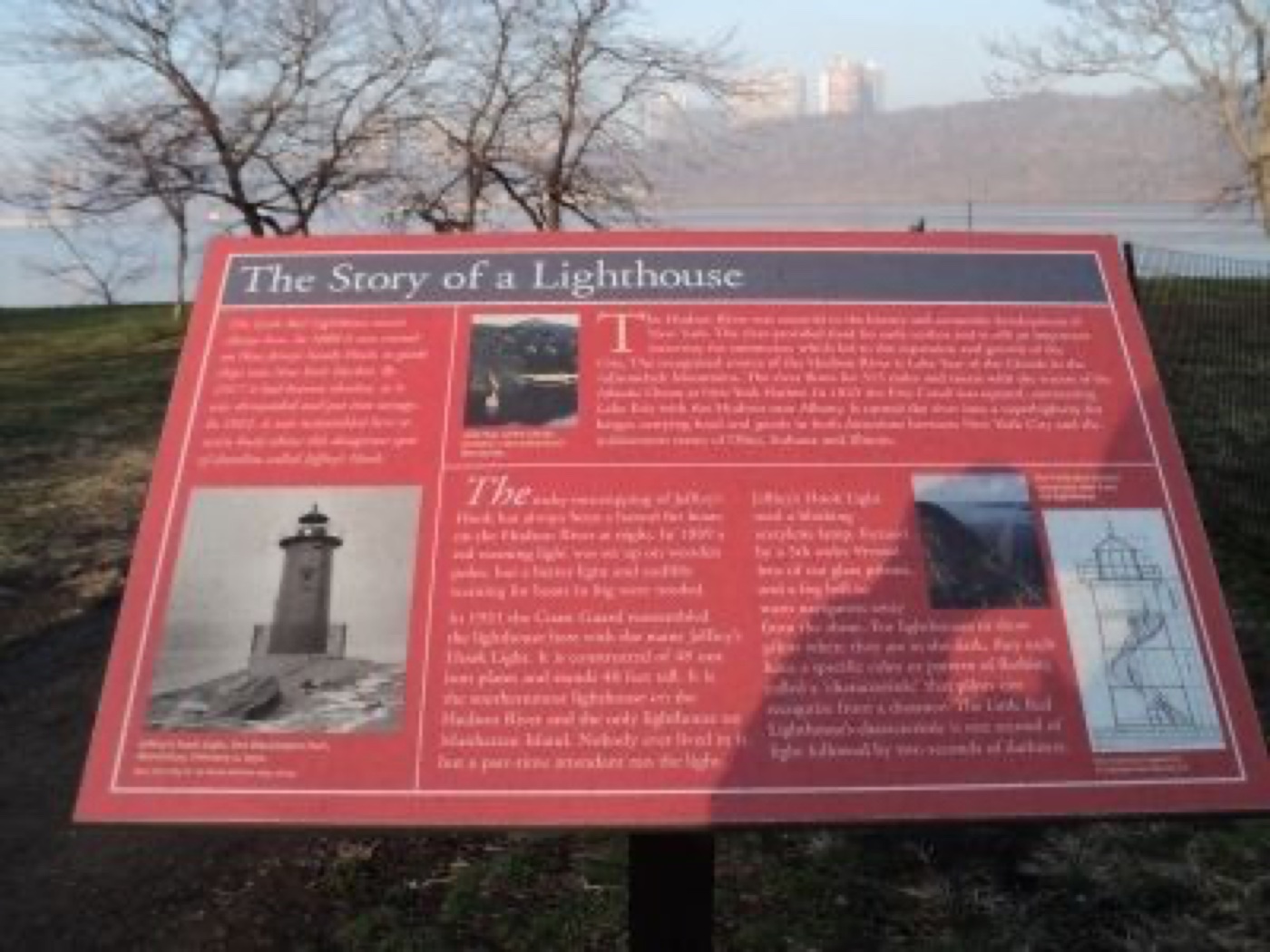 The Story of a Lighthouse
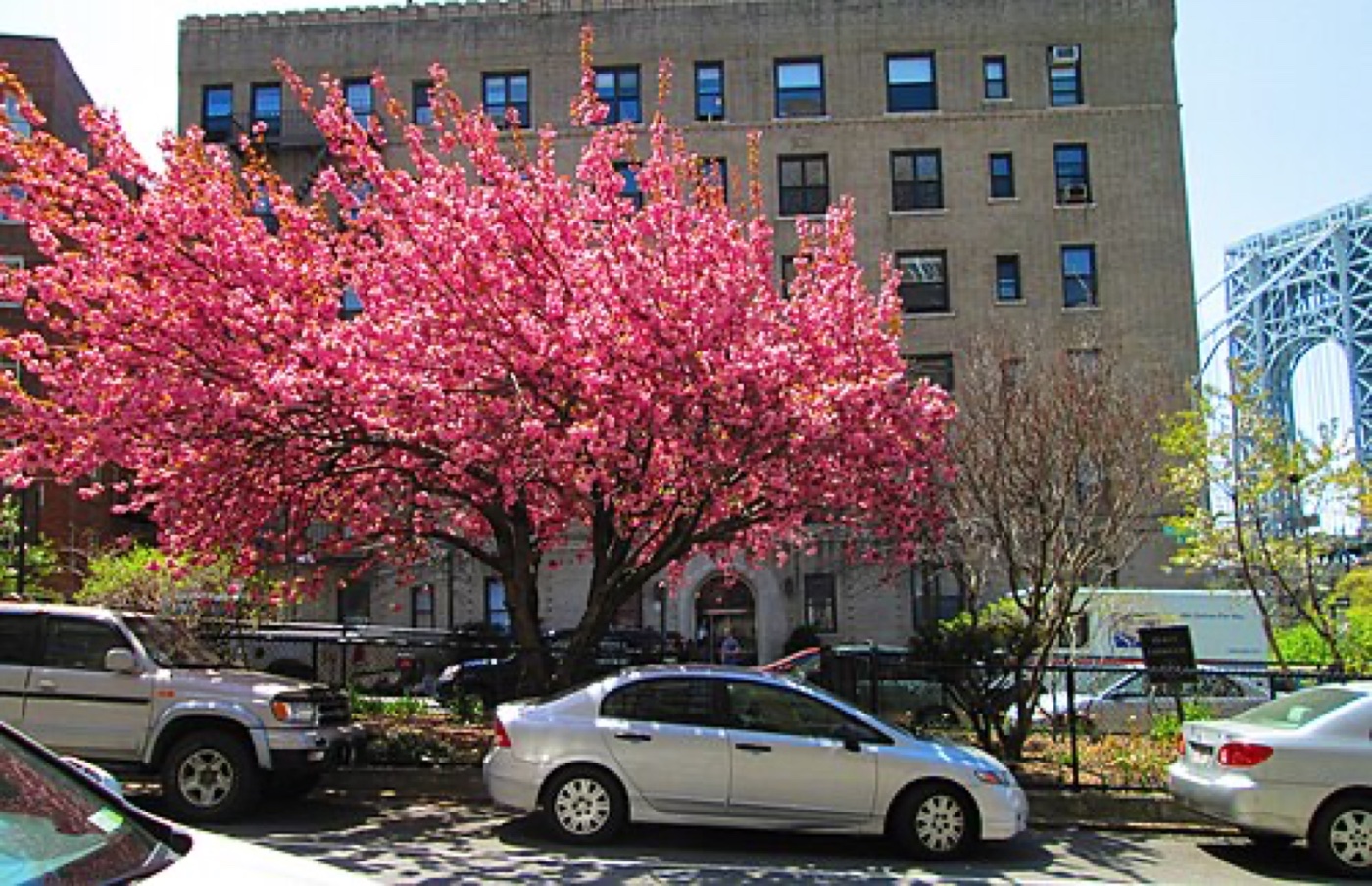 Plaza Lafayette
 J. Hood Wright Park
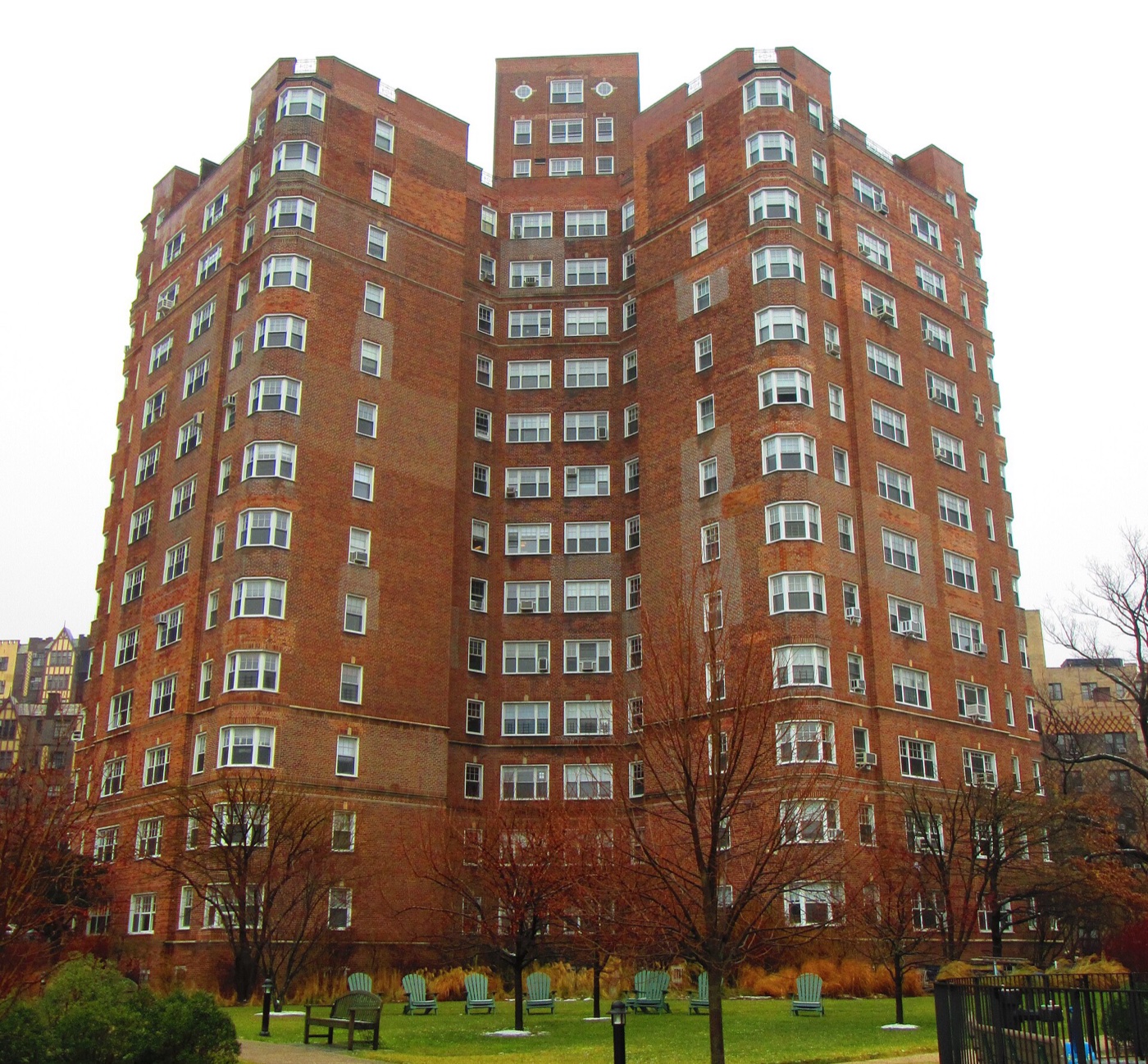 Castle Village
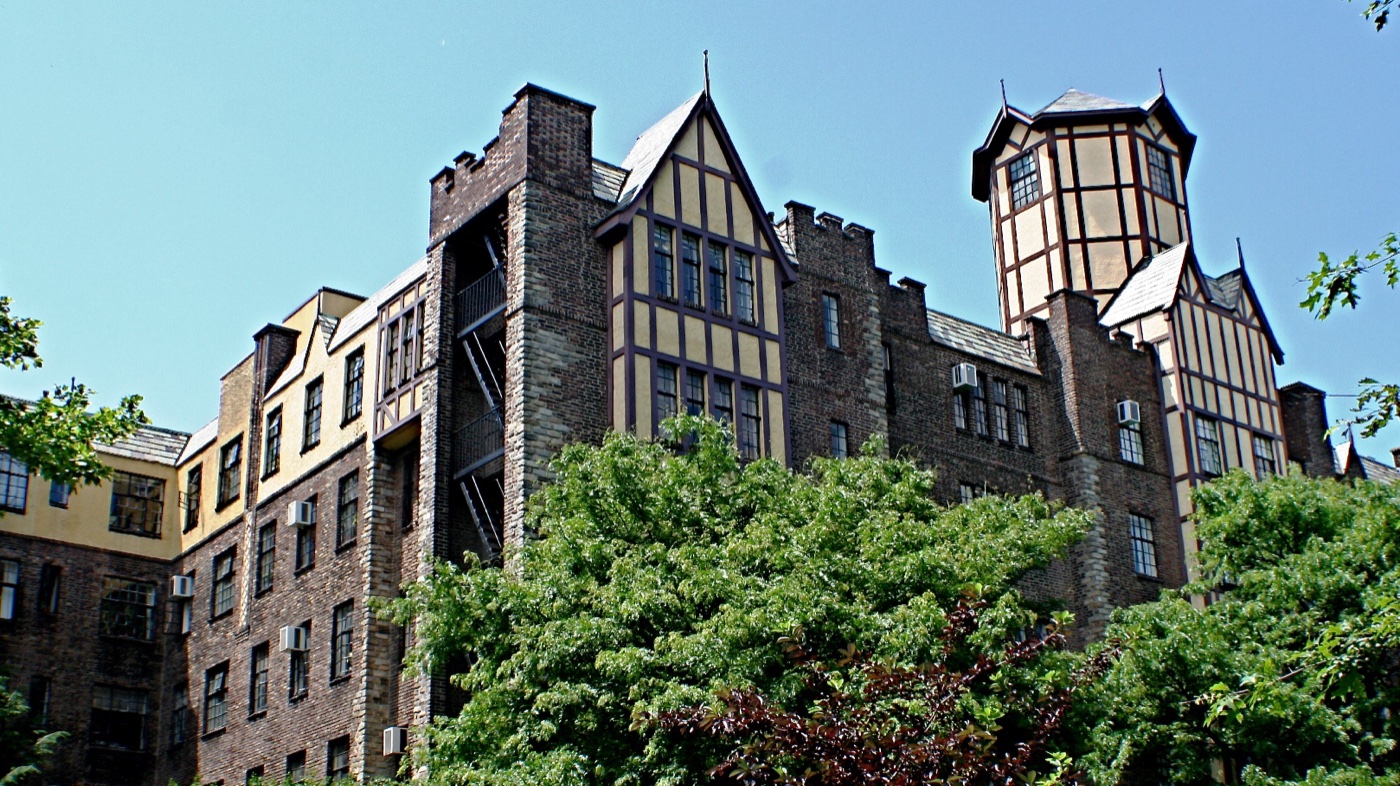 Hudson View Gardens