Architecture · Manhattan
Central Park's Ancient Egyptian Obelisk
Bronze Crabs Support Ancient Obelisk
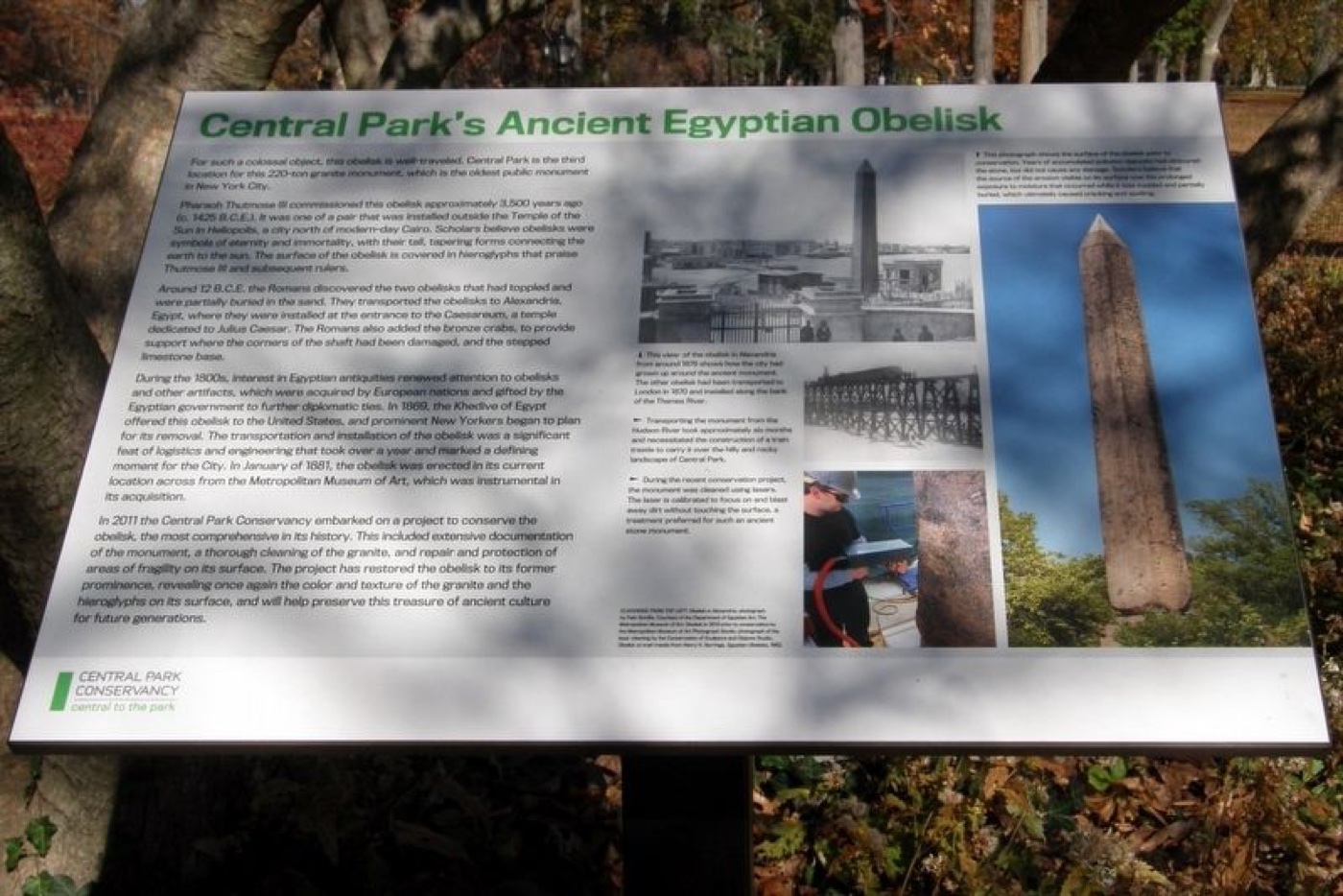
This giant Egyptian obelisk in Central Park, carved 3,500 years ago, is held together by mysterious bronze crabs added by Romans to protect its corners from damage.
The story
Central Park's Cleopatra's Needle is a 220-ton granite obelisk commissioned by Pharaoh Thutmose III around 1425 B.C.E. Originally standing in Heliopolis, Egypt, it was moved to Alexandria by the Romans in 12 B.C.E. There, Roman engineers added bronze crab-shaped clamps to reinforce damaged corners before the obelisk was presented to New York in 1869 and erected here in 1881. These ancient metal crabs, still visible today, quite literally hold together a 3,500-year-old monument connecting New Yorkers to Egypt's enduring past.
Source: HMDB — Central Park's Ancient Egyptian Obelisk (archived 2020)
Find it with City Ramble →Visiting
HMDB marker coordinates; viewing access unverified, Manhattan. City Ramble stops can be found from public sidewalks and parks; buildings, churchyards and museums keep their own opening hours. Open in Google Maps.
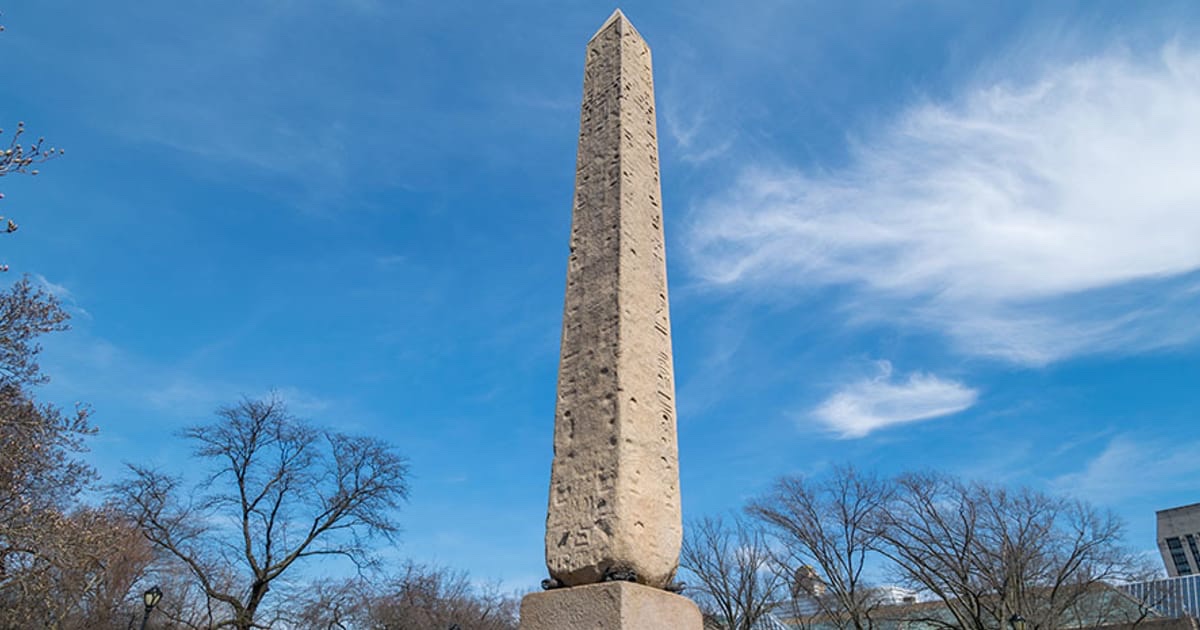 Cleopatra’s Needle
 Alexander Hamilton
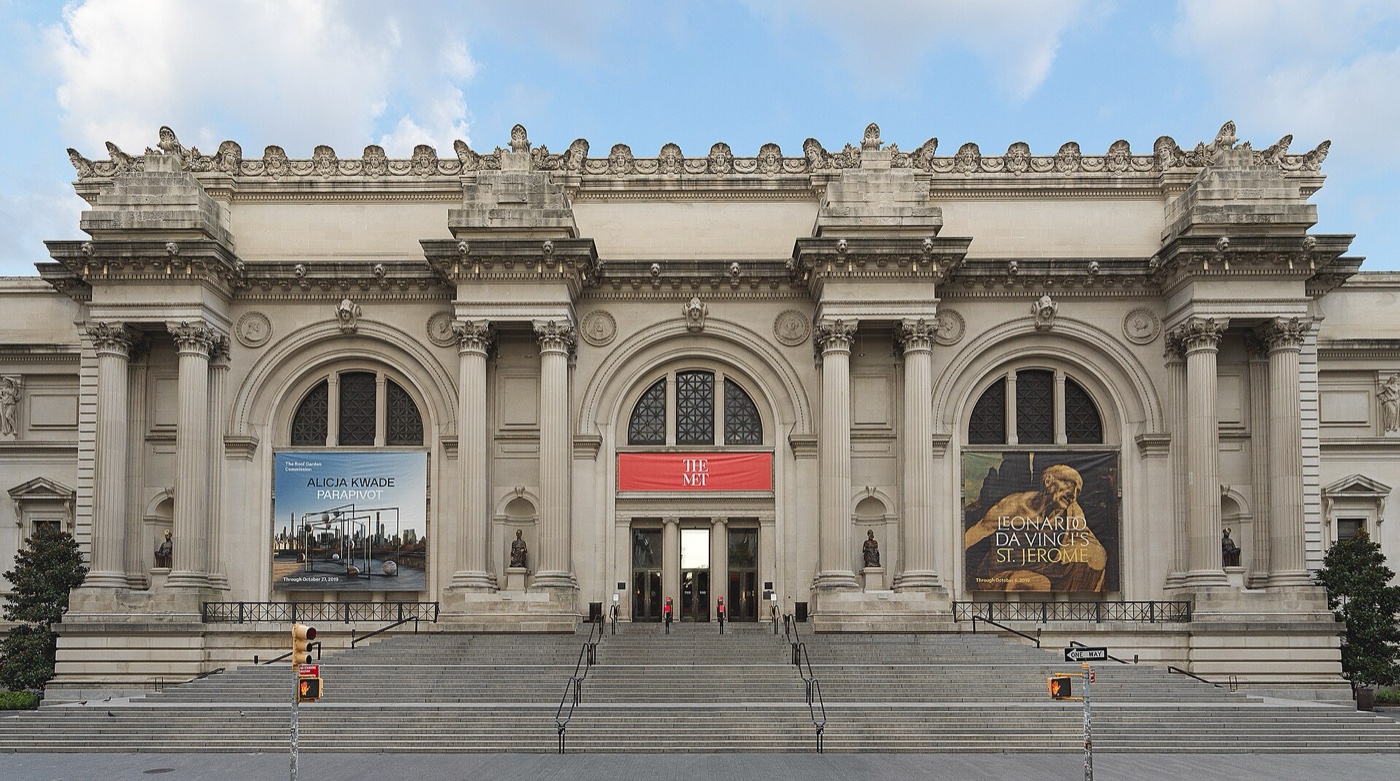 The Met Fifth Avenue
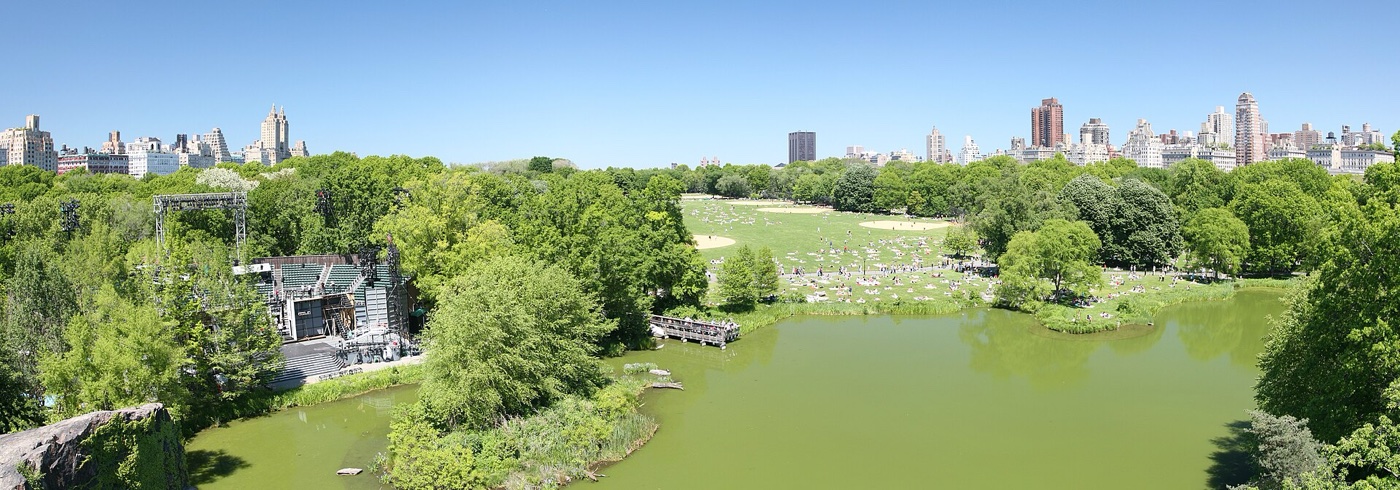 Great Lawn and Turtle Pond
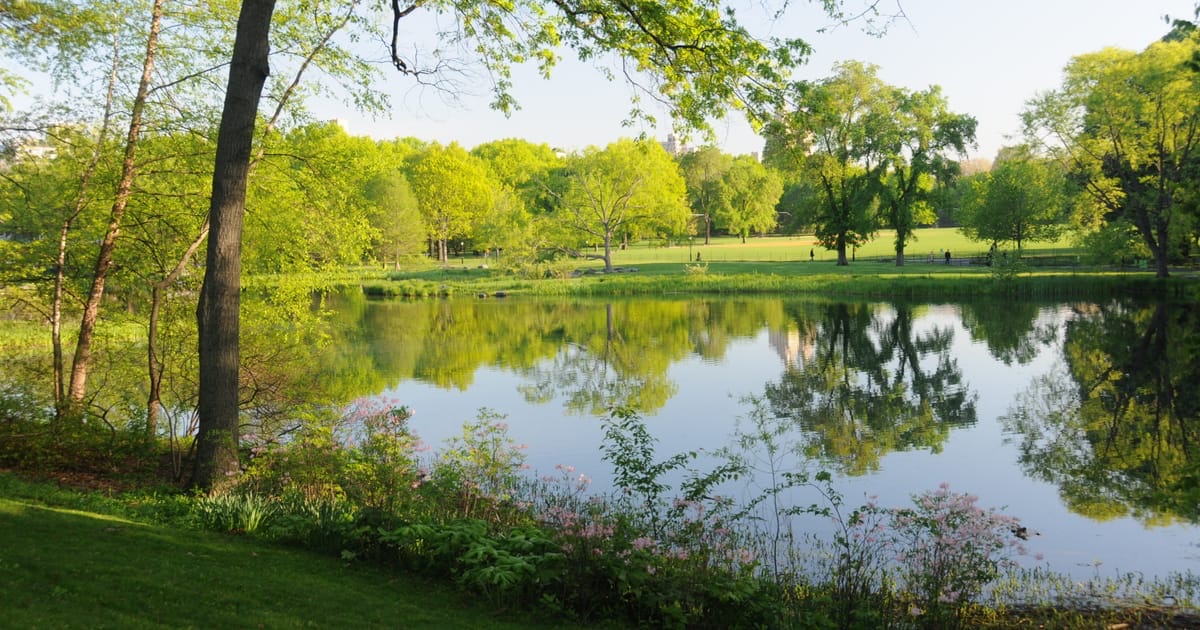 Turtle Pond
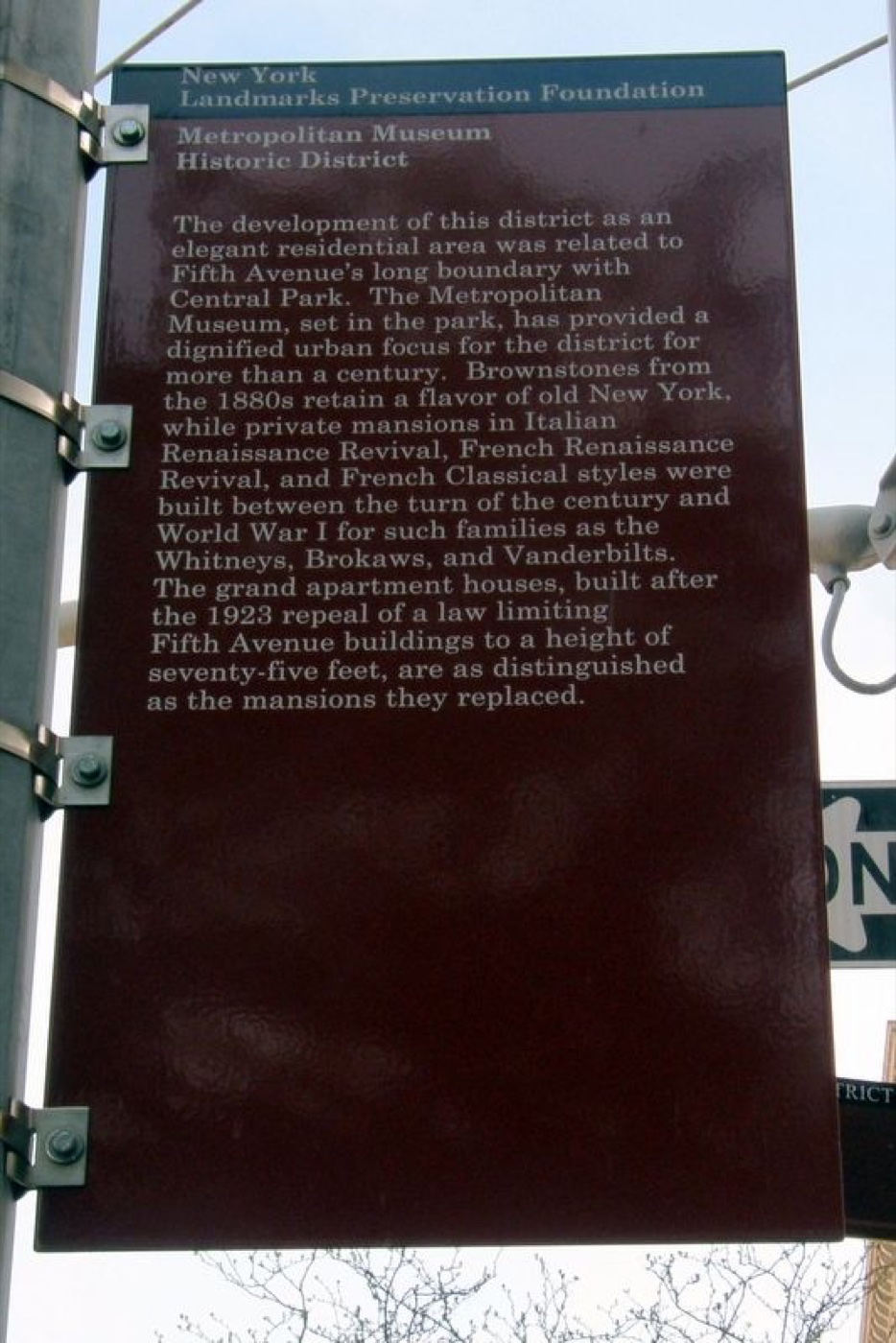 Metropolitan Museum Historic District