Architecture · Manhattan
Alexander Hamilton U.S. Custom House ⎯⎯⎯ National Museum of the American Indian
From Custom House to Native Heritage
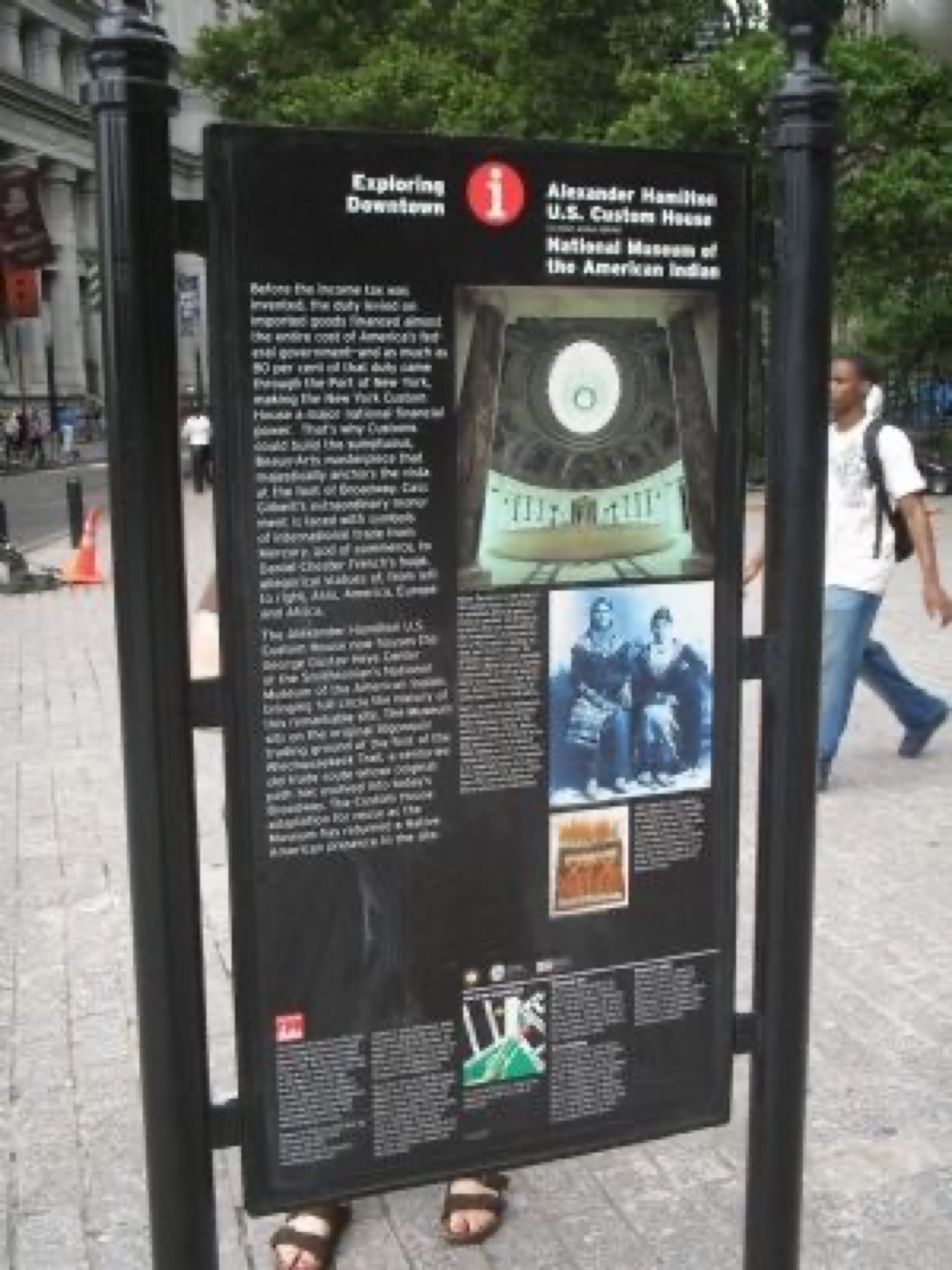
A grand Custom House became a home for Native American stories. Look for the statues of four continents at the foot of Broadway.
The story
Before income tax, America’s government thrived on duties from imported goods, with as much as 80% of that duty coming through the Port of New York, according to this marker. Designed by Cass Gilbert, this grand Beaux-Arts building features Daniel Chester French’s monumental statues representing Asia, America, Europe, and Africa. Today, it houses the Smithsonian's National Museum of the American Indian, located on historic Algonquin trading grounds along what was the Wiechquaekeck Trail—an ancient trade route evolved into today’s Broadway. This transformation reconnects a Native American presence to a site rich in international commerce history.
Find it with City Ramble →On our story walks
Stop 2 of 10 · New York, First Capital: Washington, Hamilton, Jay and Clinton
A house for a president who never moved in
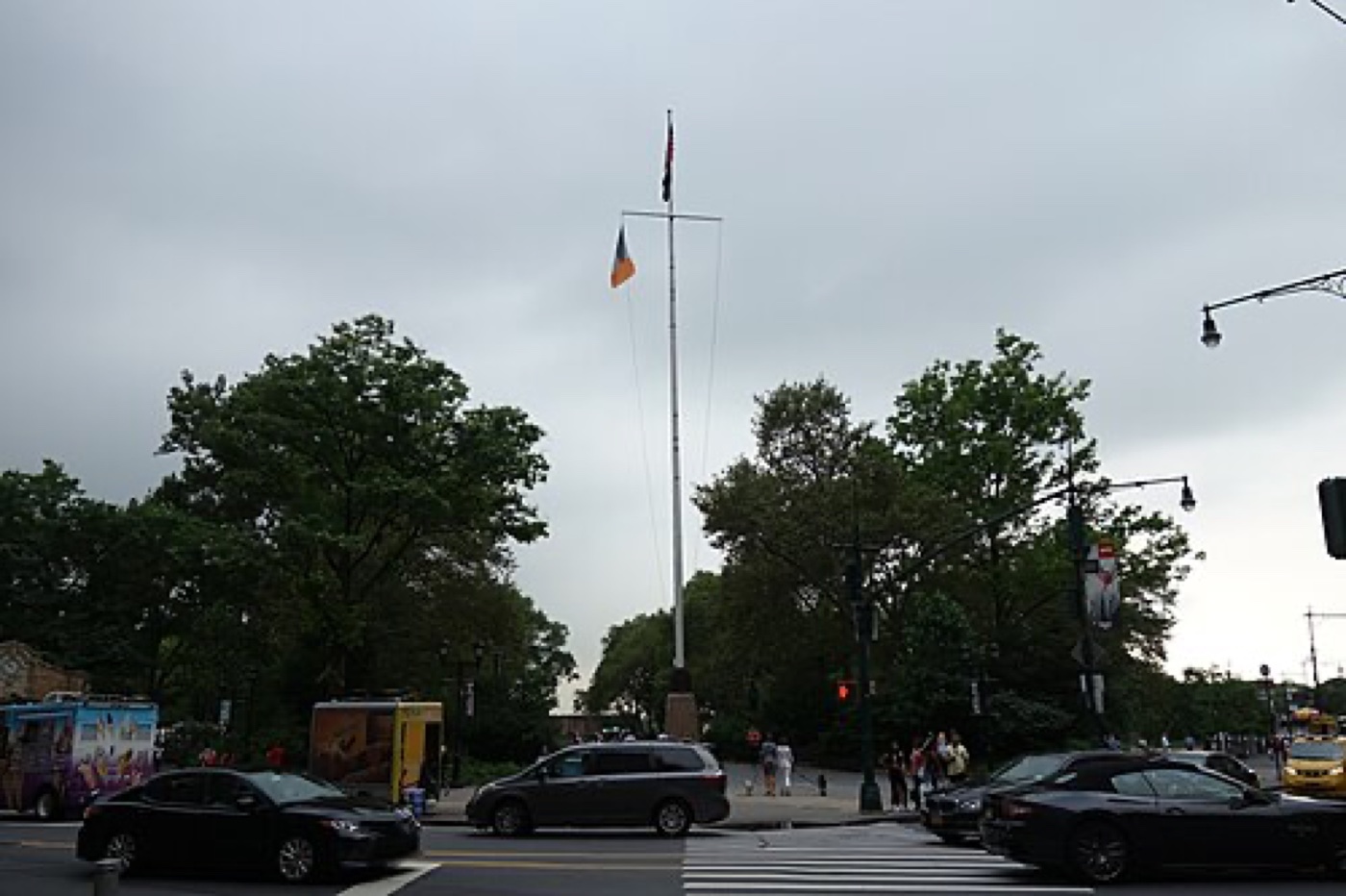
This is where Fort George stood when the war ended. On Evacuation Day the British left their flag nailed to the flagpole, and the pole was greased so nobody could climb it. People nailed wooden steps to the pole, and a veteran, John Van Arsdale, is said to have climbed up and raised the Stars and Stripes. Later, New York built Government House here as a home for the President. But the capital moved away, so the governors George Clinton and John Jay lived here instead.
Stop 3 of 9 · New Amsterdam: the Dutch Town Under Your Feet
The fort that started it all
This grand building stands where Fort Amsterdam once stood. The fort was built to protect the Dutch fur trade, and the town that grew up around it was called New Amsterdam. Its walls were made of earth and kept up by European workers and by enslaved Africans. Today the building holds a museum of Native American history.
Stop 3 of 11 · Young Hamilton: from Student to Founding Father
A palace named for Hamilton
This grand building is named after Alexander Hamilton, the country’s first secretary of the treasury. The money the new country needed came mostly from duties, a kind of tax paid on goods brought in by ship. As much as 80 percent of that money came through the port of New York.
Visiting
HMDB marker coordinates; viewing access unverified, Manhattan. City Ramble stops can be found from public sidewalks and parks; buildings, churchyards and museums keep their own opening hours. Open in Google Maps.
Nearby
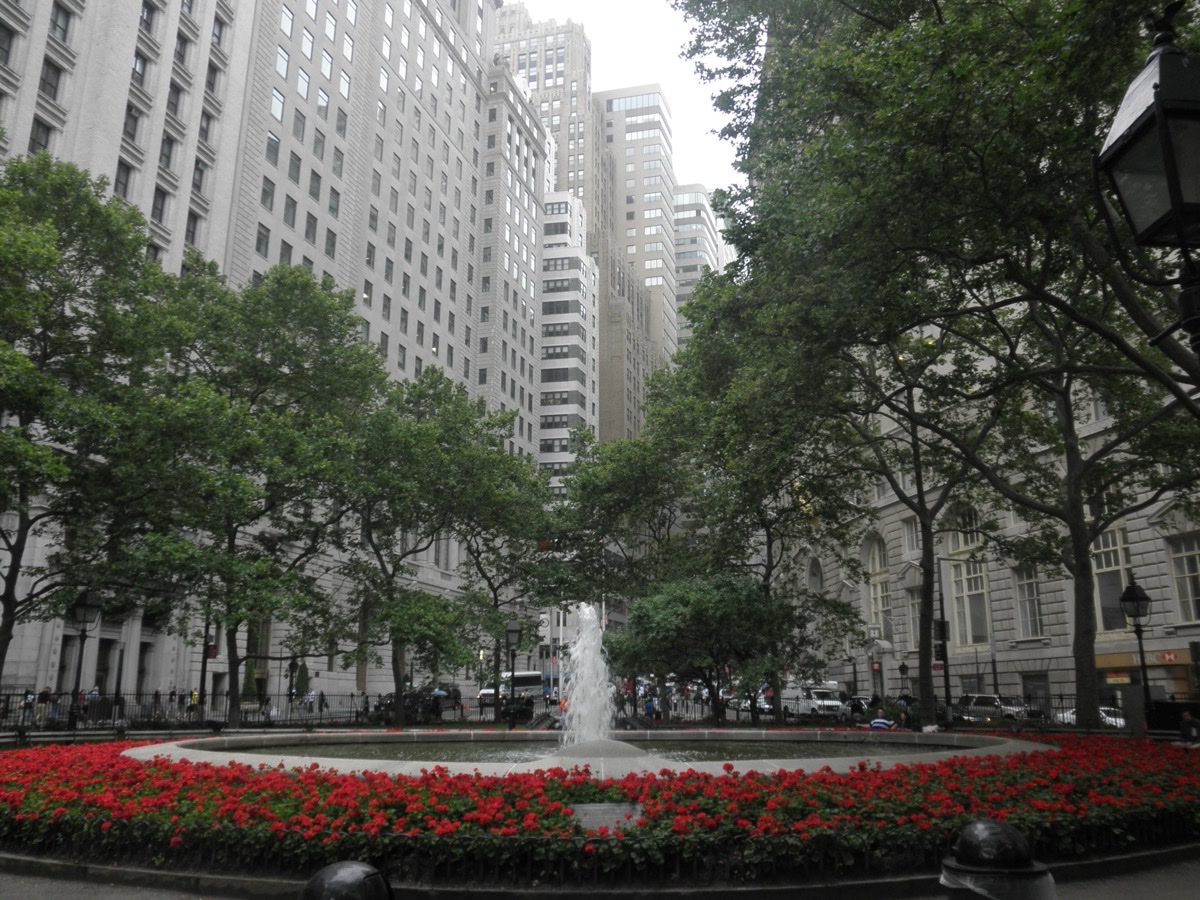 Bowling Green fence
History · about 1 min walk
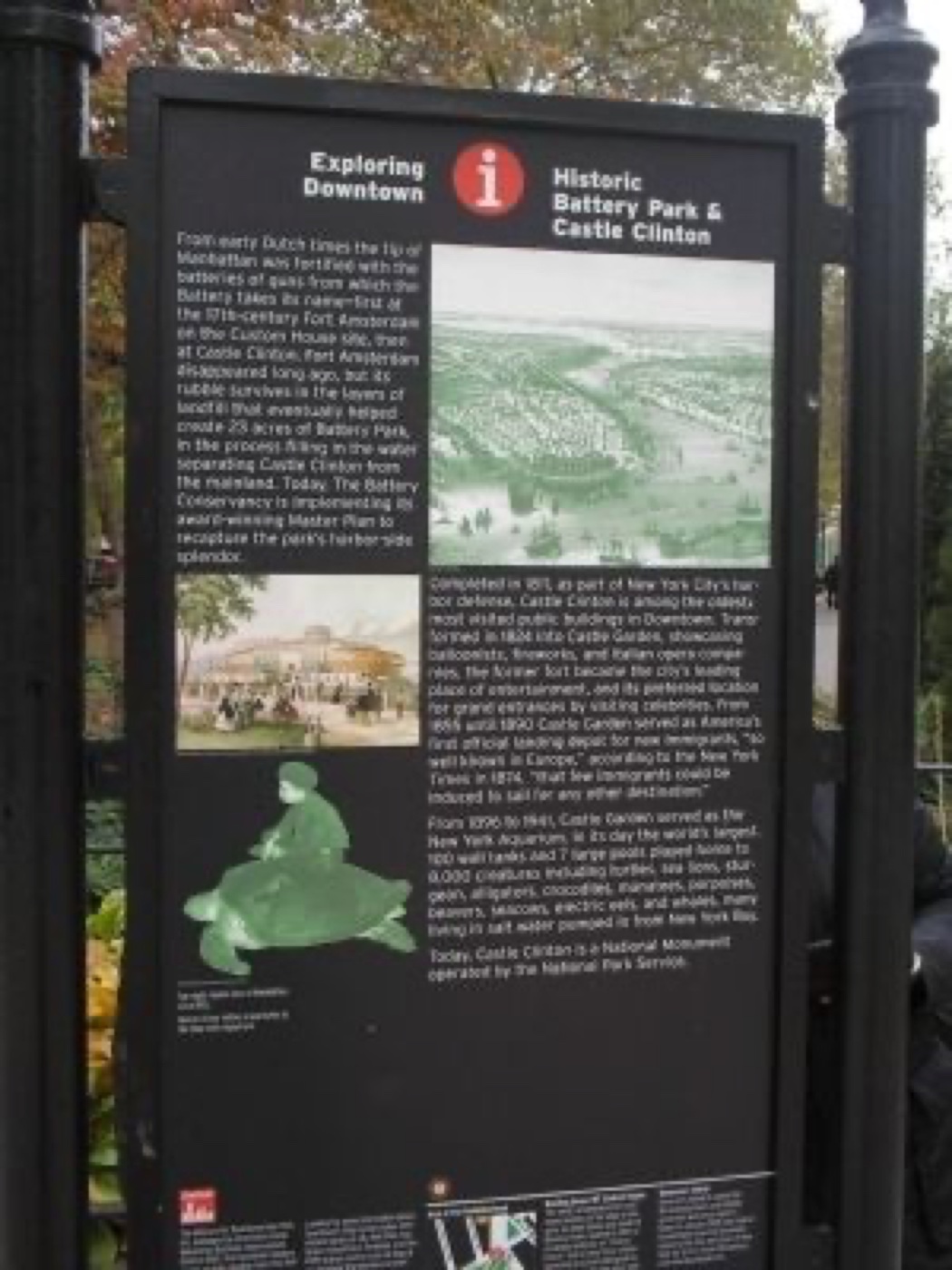 Historic Battery Park & Castle Clinton
History · about 1 min walk
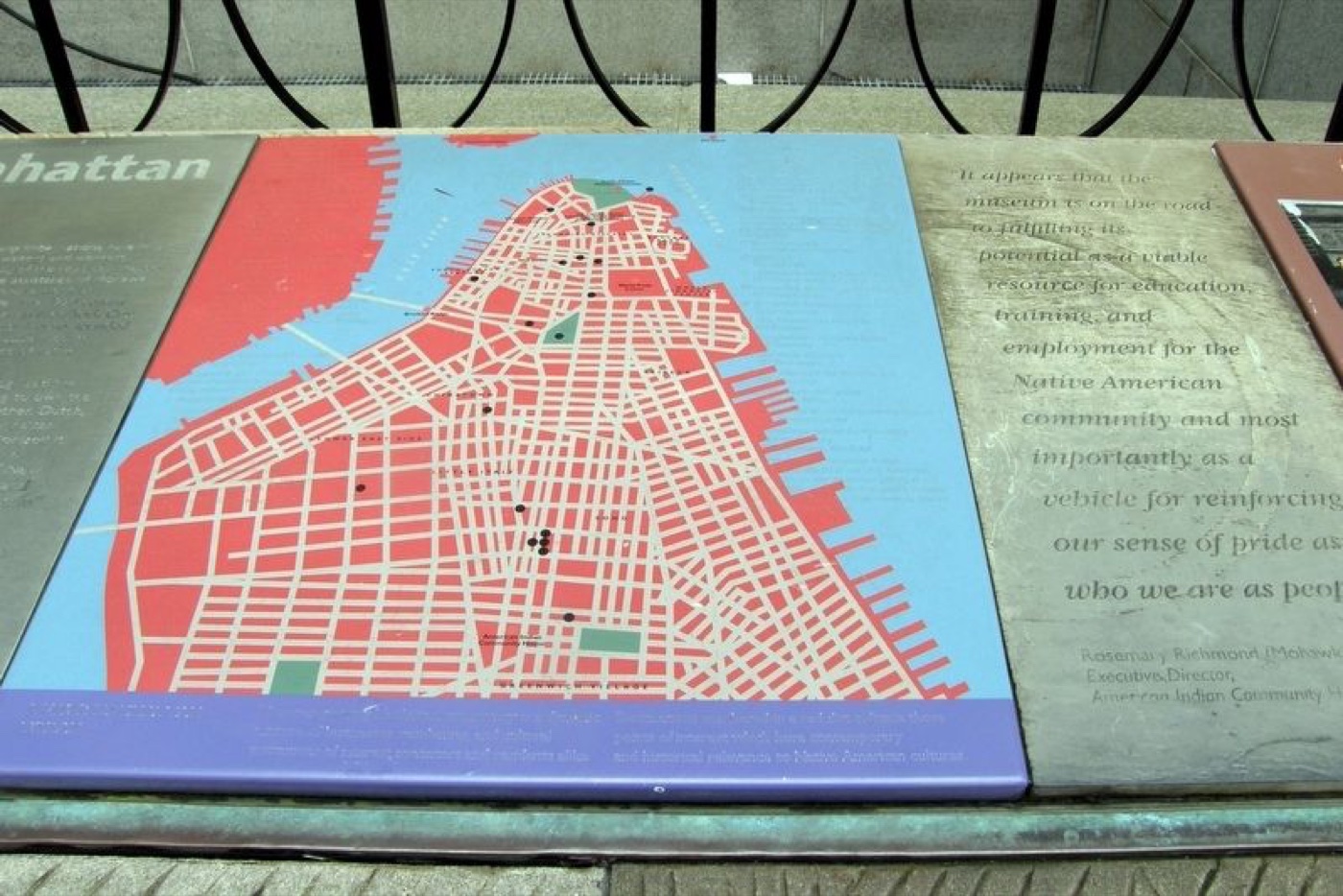 Lower Manhattan Today
History · about 1 min walk
 Netherland Monument
Art & design · about 1 min walk
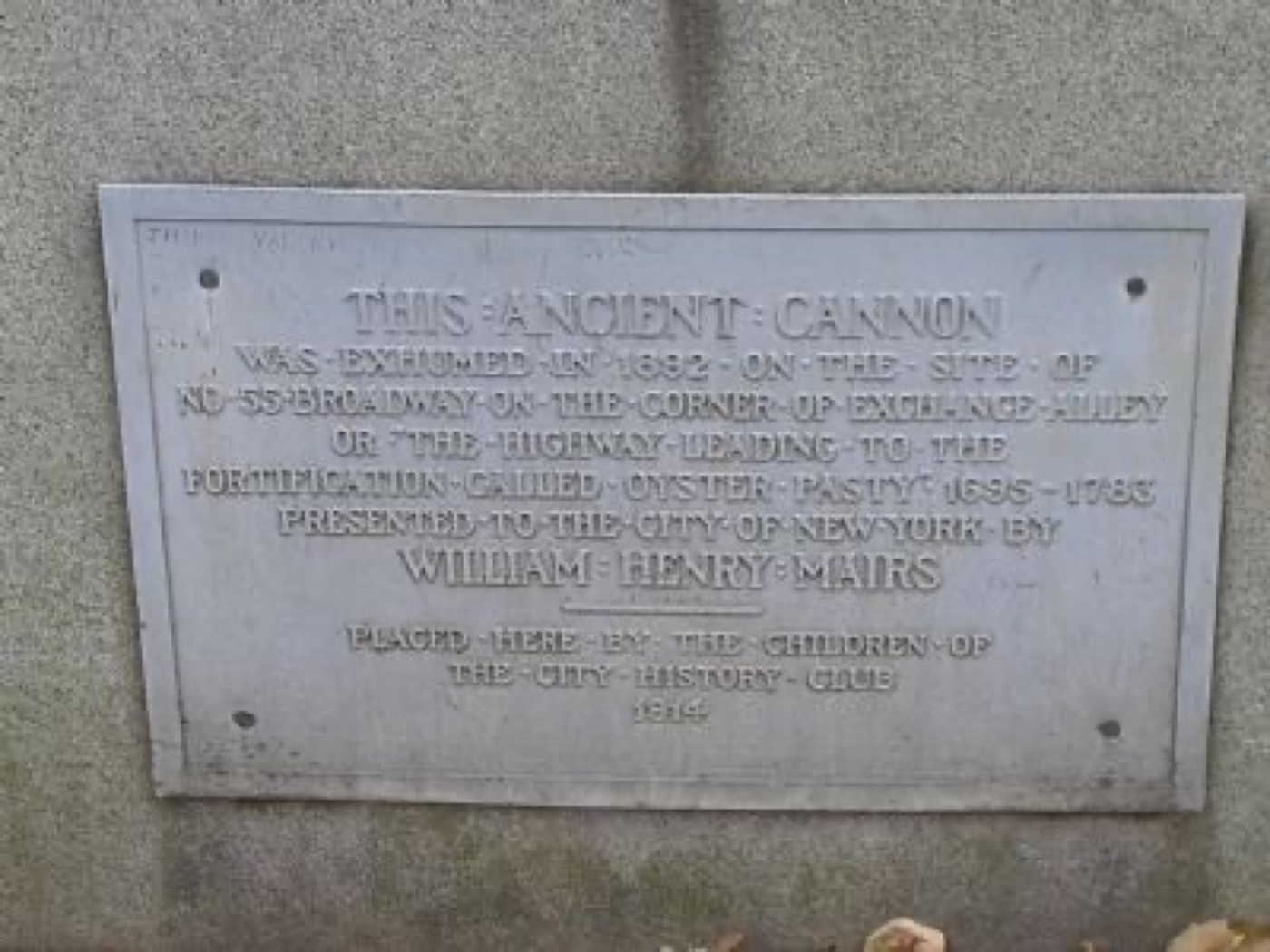 This Ancient Cannon
History · about 1 min walk
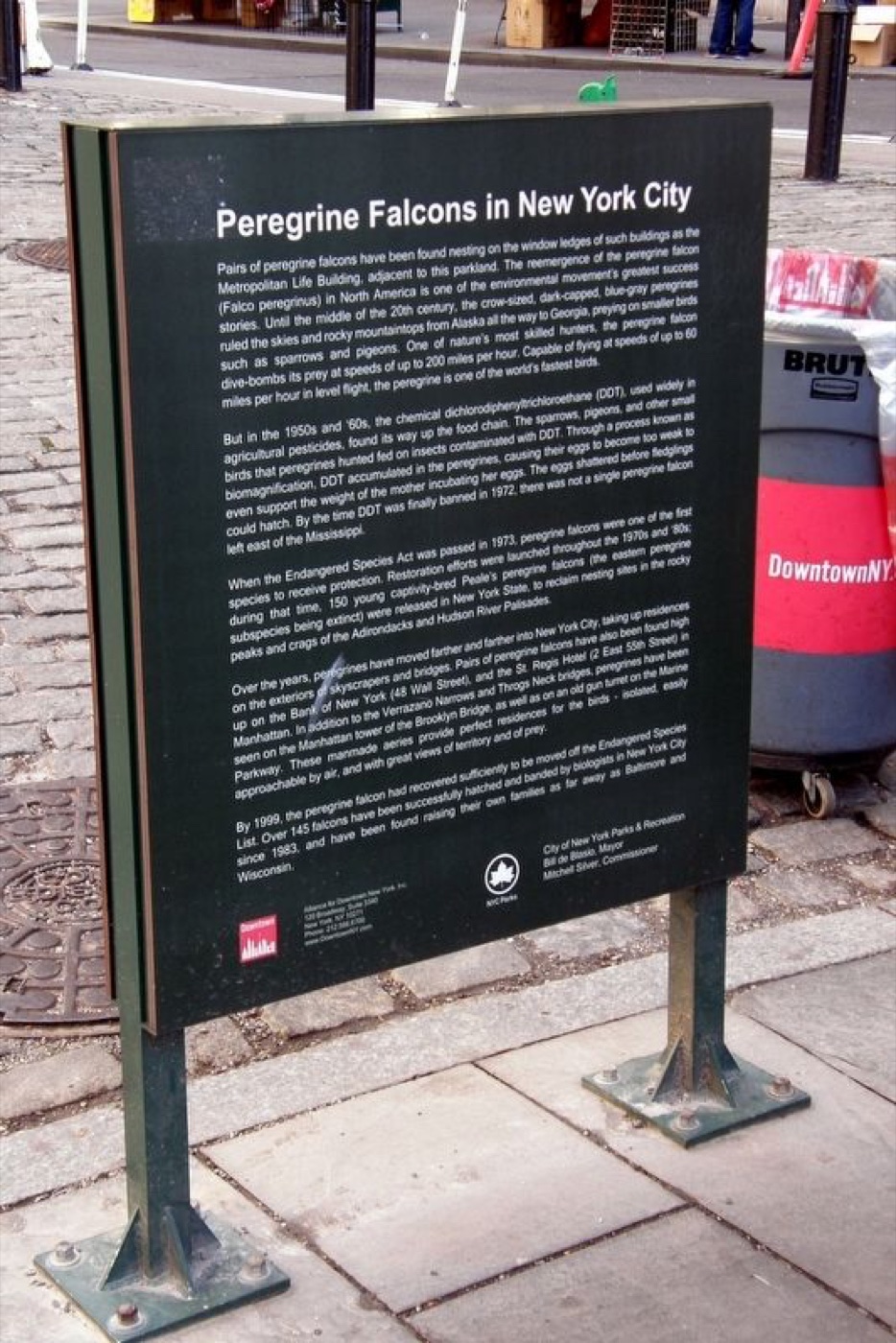 Peregrine Falcons in New York City
Nature · about 1 min walk