History · Manhattan
Gateway to Old Chinatown
Gateway to Chinatown's Storied Past
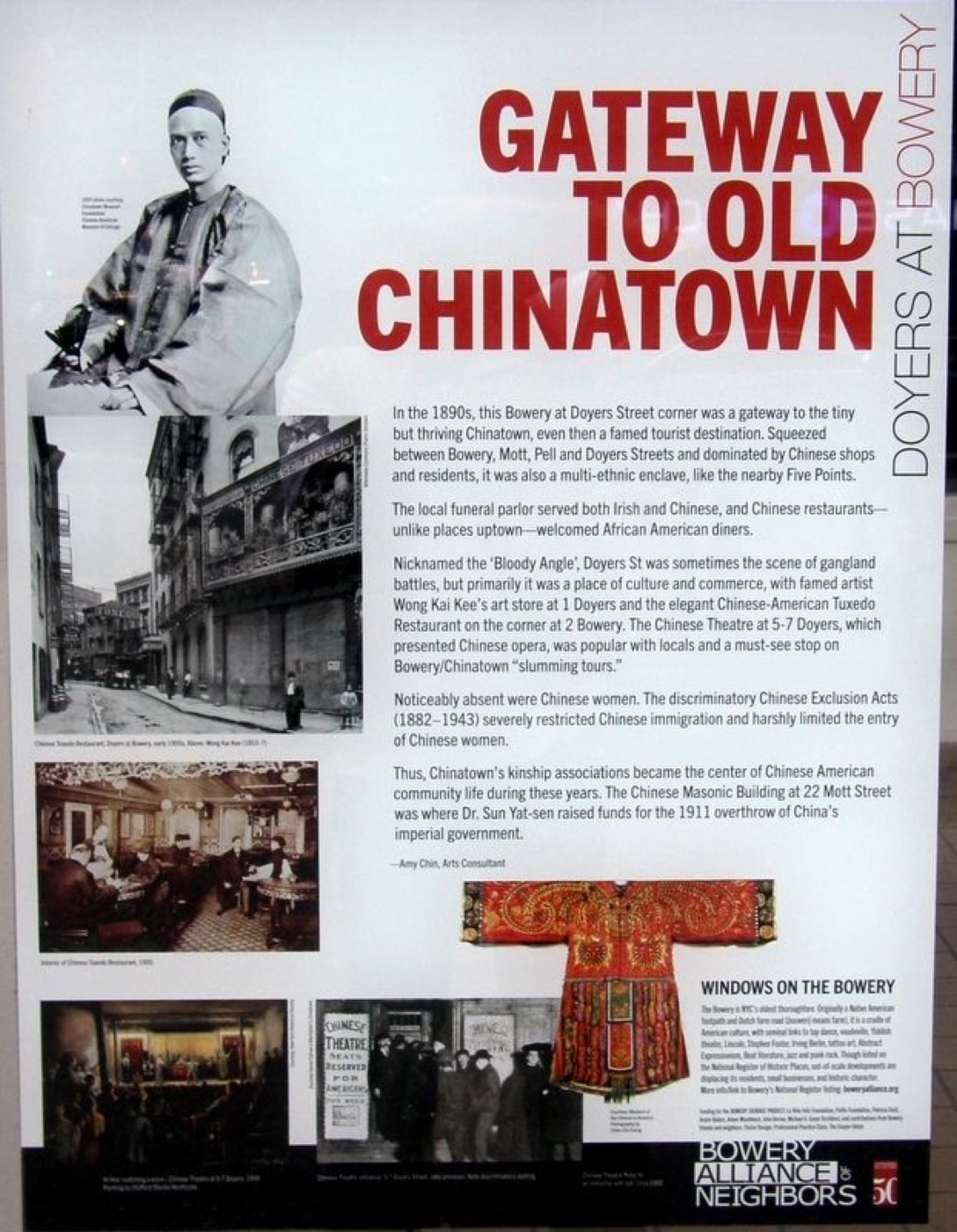
Discover the lively 1890s gateway to Old Chinatown at Bowery and Doyers, where diverse cultures met, art flourished, and thrilling stories of the ‘Bloody Angle’ await your eyes.
The story
In the 1890s, the Bowery at Doyers Street corner formed a vibrant gateway to Chinatown, a tiny but busy neighborhood squeezed between Bowery, Mott, Pell, and Doyers Streets. It was a multicultural hub where Chinese shops and residents mixed with Irish and African-American patrons. Doyers Street earned the nickname ‘Bloody Angle’ for occasional gang battles but was mainly a place of commerce and culture, featuring artist Wong Kai Kee’s store, the elegant Tuxedo restaurant, and a Chinese Theatre presenting opera. Despite its energy, Chinese women were mostly absent due to the Chinese Exclusion Acts (1882-1943). Neighborhood kinship associations became vital community centers, including the Chinese Masonic Building at 22 Mott Street, where Dr. Sun Yat-sen raised funds to overthrow China’s imperial government in 1911.
Source: HMDB — Gateway to Old Chinatown (archived 2020)
Find it with City Ramble →Visiting
HMDB marker coordinates; viewing access unverified, Manhattan. City Ramble stops can be found from public sidewalks and parks; buildings, churchyards and museums keep their own opening hours. Open in Google Maps.
Nearby
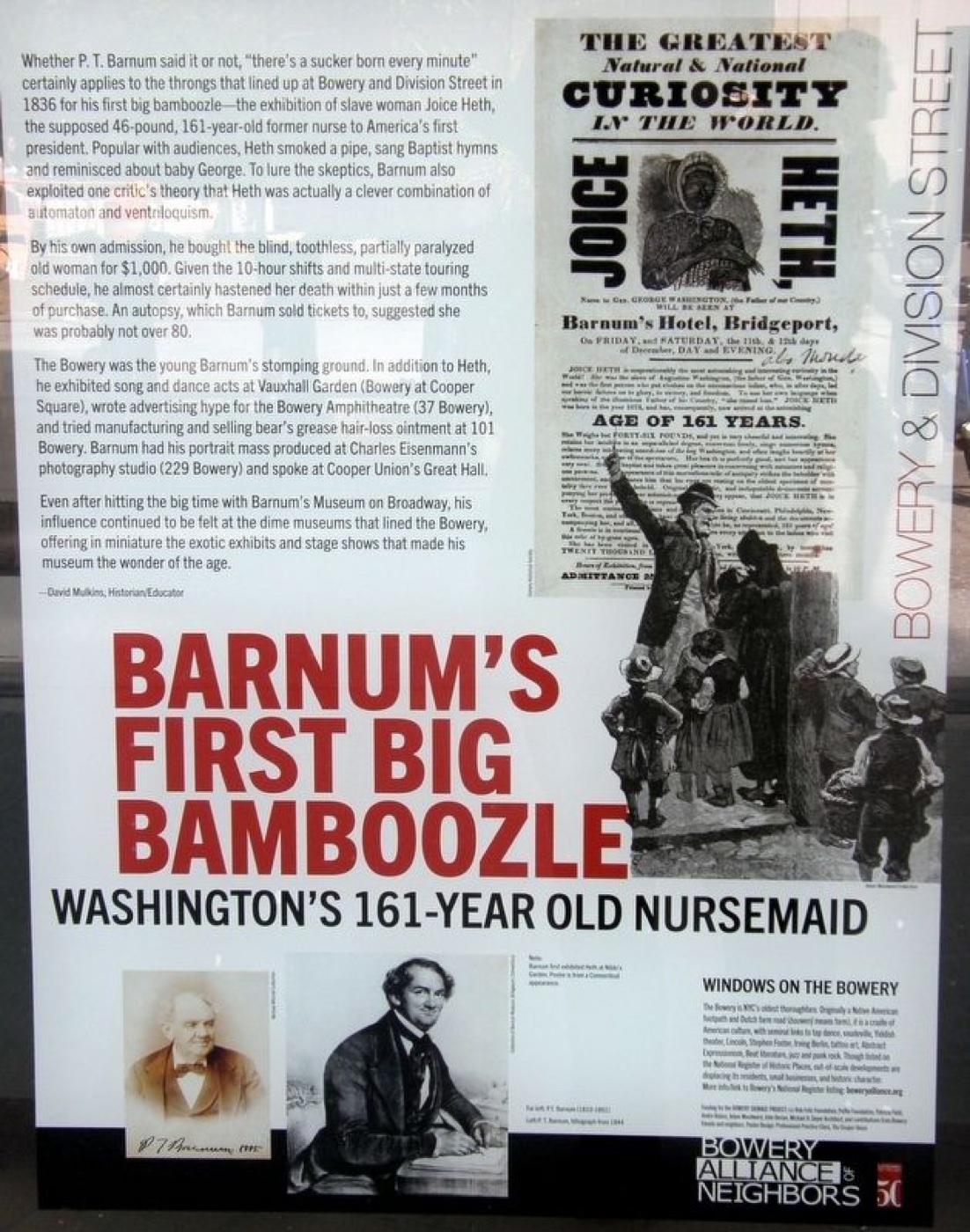 Barnum's First Big Bamboozle
Food & culture · about 1 min walk
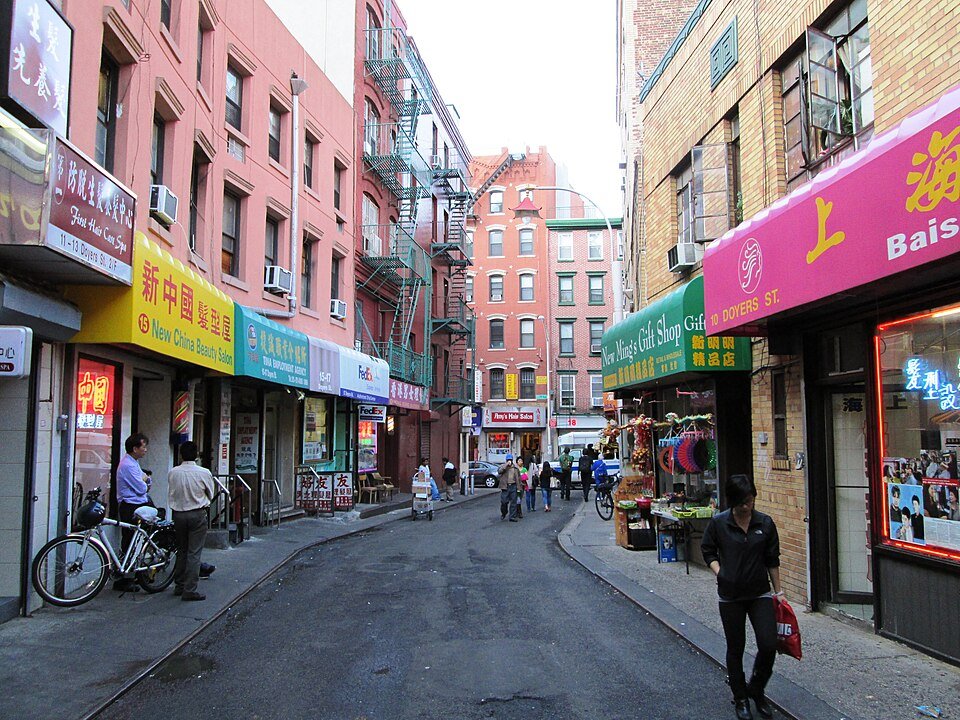 Doyers Street
Food & culture · about 1 min walk
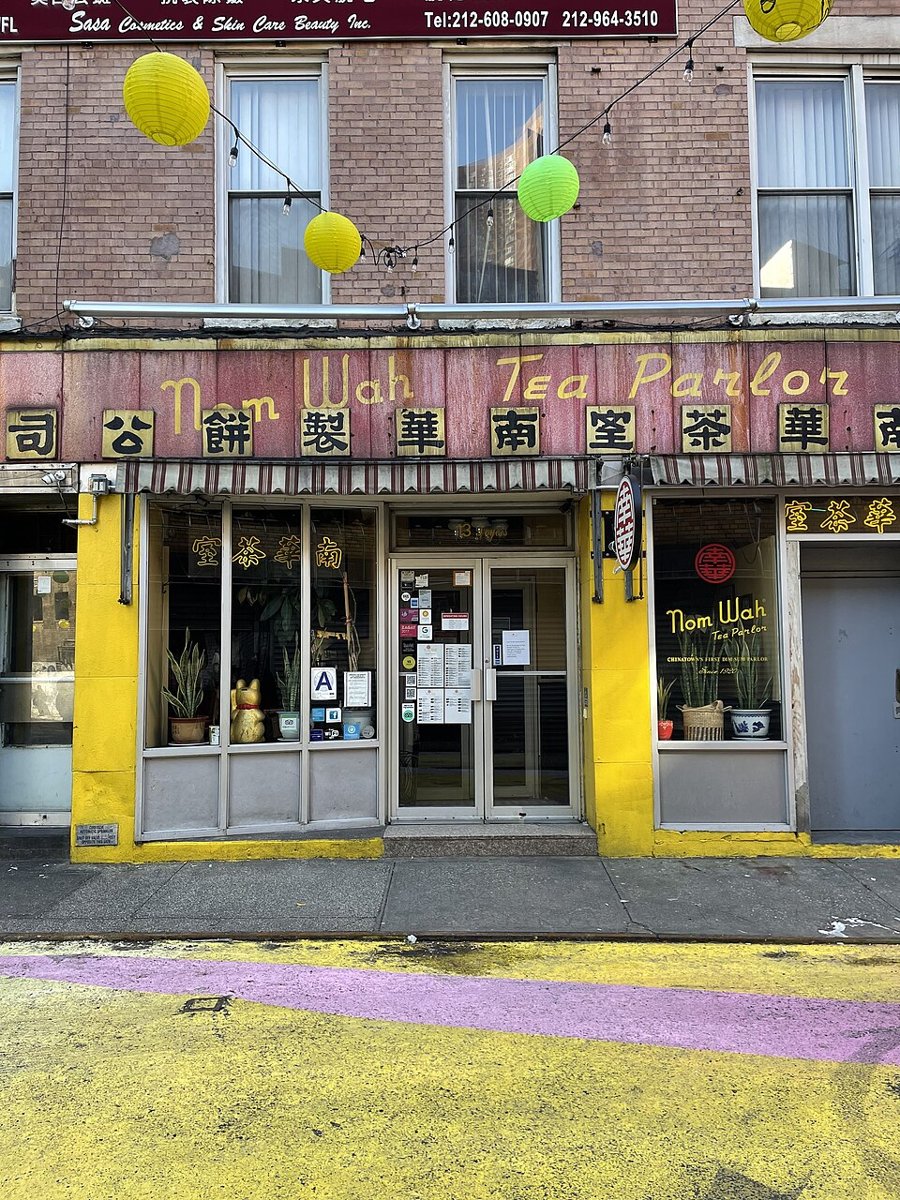 Nom Wah Tea Parlor
Food & culture · about 1 min walk
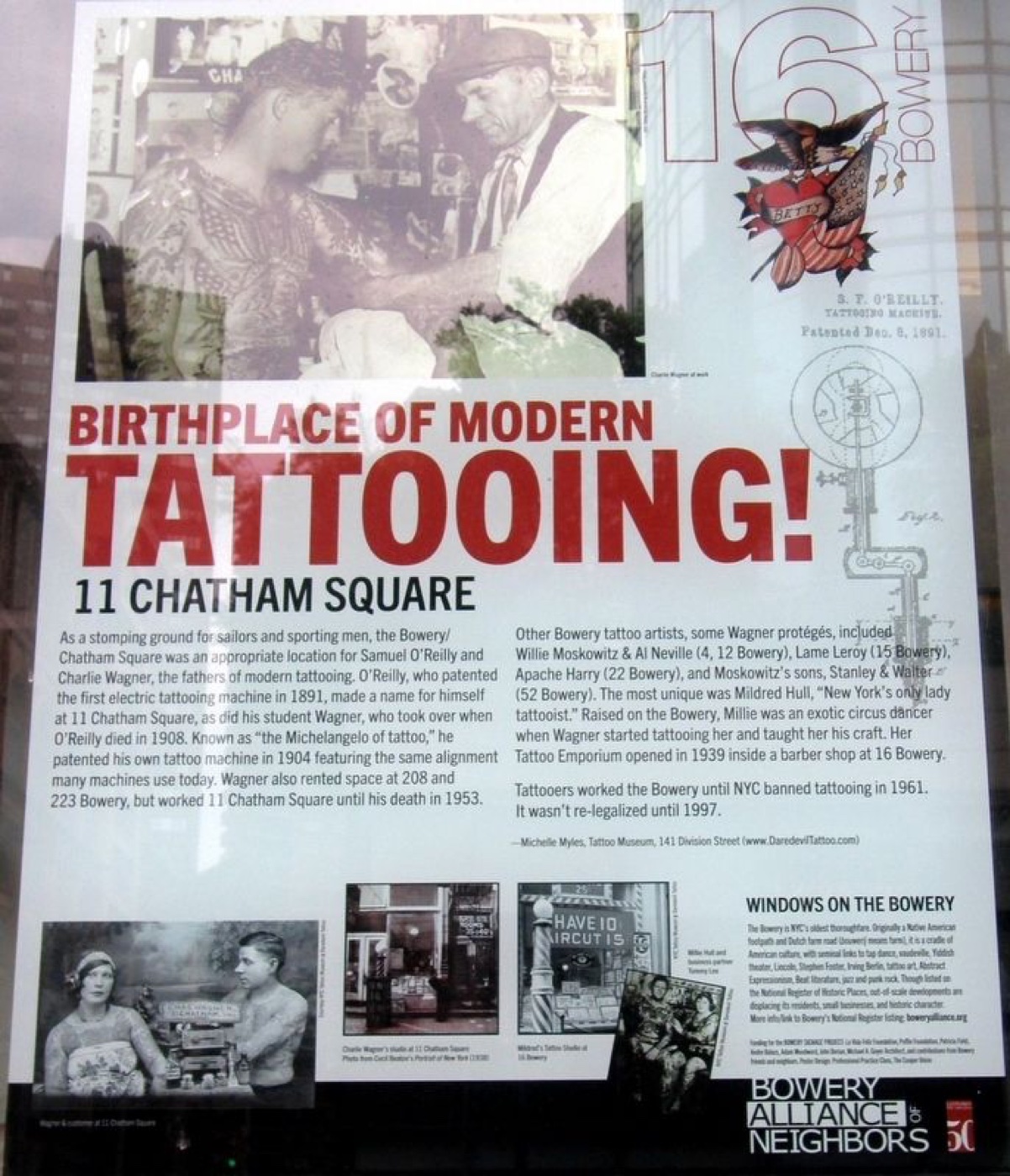 Birthplace of Modern Tattooing!
Art & design · about 1 min walk
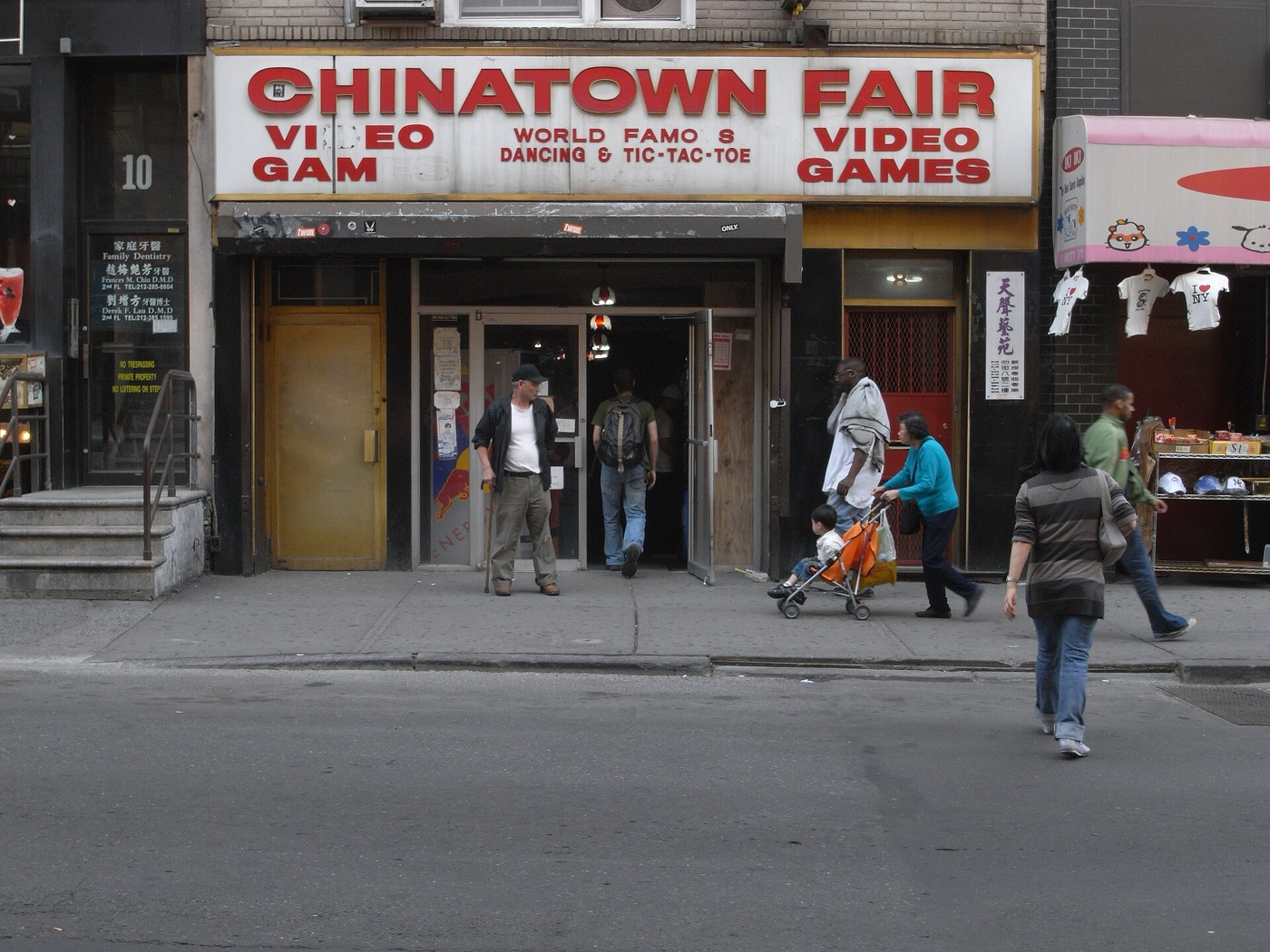 Chinatown Fair
Architecture · about 1 min walk
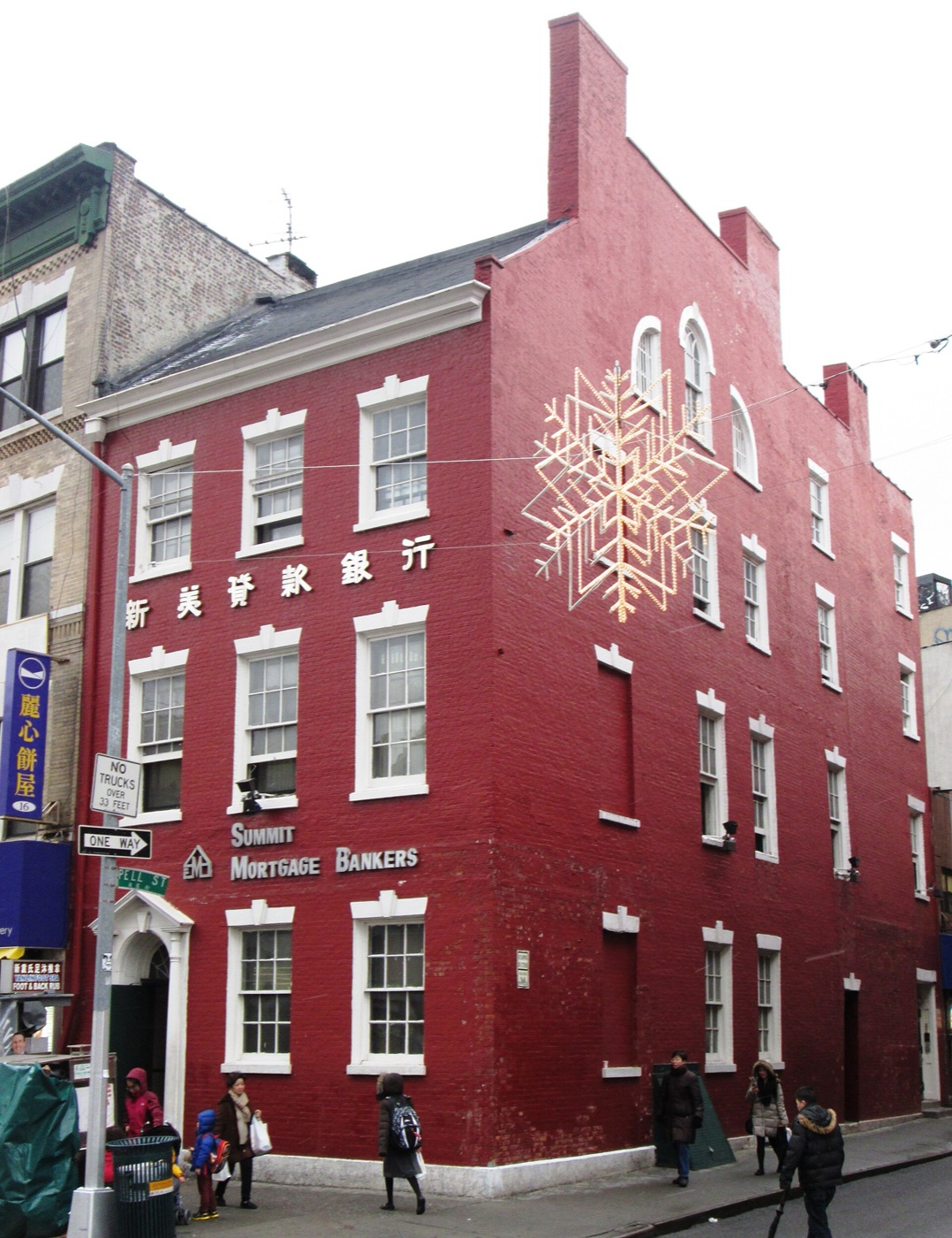 Edward Mooney House
Architecture · about 1 min walk